
Home / Products / Nutrition Ingredients / Coenzyme Q10 (CoQ10)
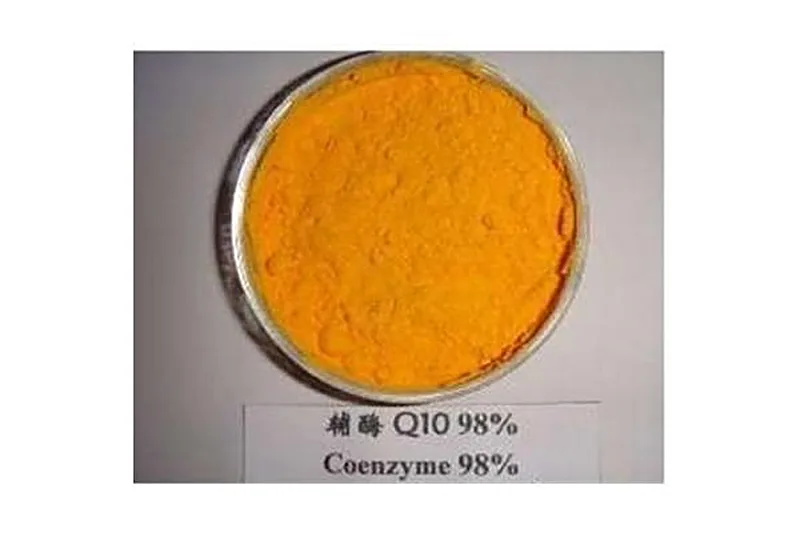
Photo: Fame Rise Biotech Inc.
Coenzyme Q10 (CoQ10)
Fat-soluble ubiquinone for energy and antioxidant supplement formulations, including water-soluble grades for drinks and gummies.
At a glance: Fat-soluble ubiquinone for energy and antioxidant supplement formulations, including water-soluble grades for drinks and gummies.
| Source | — (ubiquinone) |
|---|---|
| Part used | Fermentation-derived ubiquinone |
| Form | Powder; water-soluble 10% / 20% / 40% |
| Specification | CoQ10 98% · Water-soluble 10% / 20% / 40% |
| Test method | HPLC |
Specification
| Product | Coenzyme Q10 (CoQ10) |
|---|---|
| Botanical / source name | — (ubiquinone) |
| CAS number | 303-98-0 (ubiquinone) |
| Specification | CoQ10 98% · Water-soluble 10% / 20% / 40% |
| Appearance | Yellow to orange crystalline powder |
| Form | Powder; water-soluble 10% / 20% / 40% |
| Plant part / source | Fermentation-derived ubiquinone |
| Solubility | Practically insoluble in water; soluble in oils and organic solvents |
| Test method | HPLC |
Grades & forms
CoQ10 98% (HPLC 98–101% in the USP/EP monograph). Water-soluble grades 10%, 20%, 40%. Melting point about 48 °C.
Crystalline CoQ10 98% by HPLC (USP/EP assay 98-101%) and water-soluble (cold-water-dispersible) grades at 10%, 20% and 40% are listed in products.json; choose the grade by dosage form, not by assay alone.
How to use — formulation notes
Crystalline CoQ10 (ubiquinone) is practically insoluble in water and soluble in oils and organic solvents, with a melting point of about 48-52 C, so it is normally dispersed in an oil fill for softgels or dry-blended for capsules and tablets rather than dissolved in water. For beverages, gummies and powder mixes, use the cold-water-dispersible 10%, 20% or 40% grades, which form a dispersion without an oily ring. Store sealed in a cool, dry place away from light and heat, and confirm the grade and use level for your application.
It is often compared with 5-HTP and Fruit Powders & Juice Concentrates in the same Nutrition Ingredients range — see the related products below — and the Reading a botanical extract COA: what buyers should check before ordering guide in our News & Blog covers how buyers compare grades like this one.
Applications
- ✓Pharmaceutical & healthcare products
- ✓supplements
Typical uses are listed from the company catalogue. Confirm the grade, the permitted use level and the local rules for your target market before launch.
In the finished product
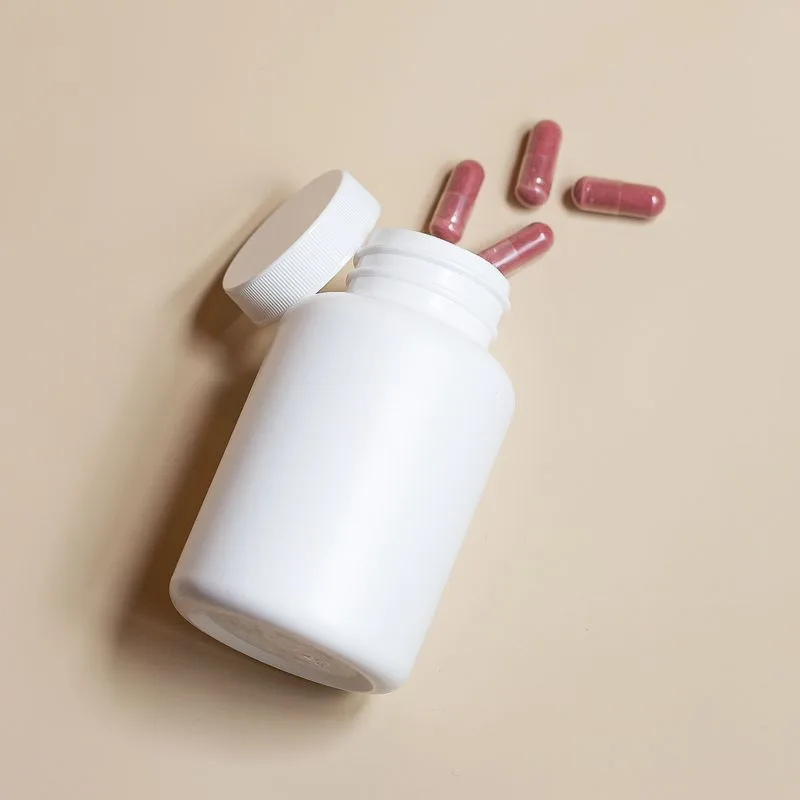
White supplement bottle with pink capsules spilled on a beige surface — a typical application for this ingredient.
- Certifications (ISO, Halal, Kosher, Organic, cGMP) — scope to be confirmed; not claimed on this site
- MOQ, packaging, lead time and price — To be confirmed; ask sales
- Loss on drying, heavy metals, pesticide residues and microbiological limits — confirm on the batch COA
Frequently asked questions
Why is CoQ10 hard to formulate in drinks?
Native CoQ10 is fat soluble and practically insoluble in water. For beverages, use the water-soluble (cold-water-dispersible) 10% or 20% grades rather than the 98% crystalline powder.
What assay should I ask for?
HPLC 98–101% is the monograph assay for the crystalline grade. The water-soluble grades are quoted by their CoQ10 content (10%, 20% or 40%), not by 98%.
Can I get a COA and a sample?
Yes — batch COAs are available on request. Contact sales at info@famerise.com with the product name, the grade you need and your target application.
Can I use crystalline CoQ10 in a drink?
Not directly — crystalline CoQ10 is practically insoluble in water and will not dissolve in a beverage. Use a cold-water-dispersible 10%, 20% or 40% grade for drinks, and confirm the grade and use level for your application with sales at info@famerise.com.
What is the MOQ, packaging and lead time?
To be confirmed — ask sales at info@famerise.com. Please state the grade (98% crystalline or a water-soluble 10%/20%/40% grade), the quantity you need and your target application so the quote matches the right format.
How is the assay checked, and can I get a COA and a sample?
The assay is measured by HPLC against the USP/EP monograph limit of 98.0-101.0% on the anhydrous basis. Batch COAs are available on request, and samples can be arranged — contact sales at info@famerise.com with the grade and application.
Specification basis: USP/EP monograph — Coenzyme Q10, CAS 303-98-0, assay 98–101% HPLC; PlantExtract.pdf — Coenzyme Q10. Figures are typical catalogue values; the batch COA is the binding document for the lot you receive.
Formulation notes — sources:
- NHU Coenzyme Q10 specification (EP/USP) — assay HPLC 98.0-101.0%, practically insoluble in water, melting point about 48 C — https://www.contaotest.nhu-eu.com/files/nhu/pdf/15022024/NHU-21-00523%20-%20Coenzyme%20Q10%20-%2002-2024%20-%20Specification%20-%20v6.00.0001.pdf
- Cactus Botanics CoQ10 technical guide — crystalline grade insoluble in water, CWD 10%/20% cold-water-dispersible grades for drinks and gummies — https://www.deogiribiotech.org/coenzyme-q10-powder/
- JC Life Sciences CoQ10 specification — assay 98.0-101%, soluble in ether/acetone, practically insoluble in water — https://jclifesci.com/product_detail/15.html
Related products
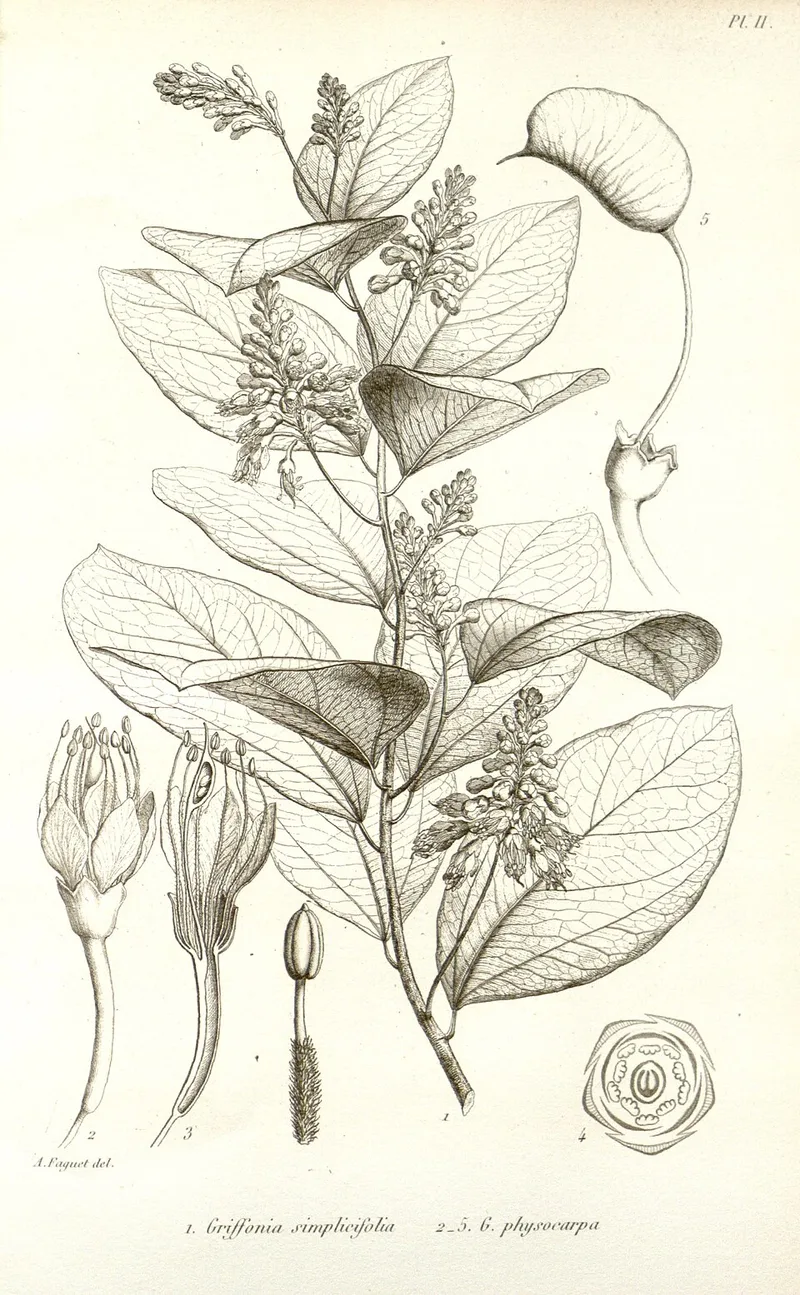
5-HTP
Griffonia simplicifolia (seed)5-HTP — grade on enquiryView product →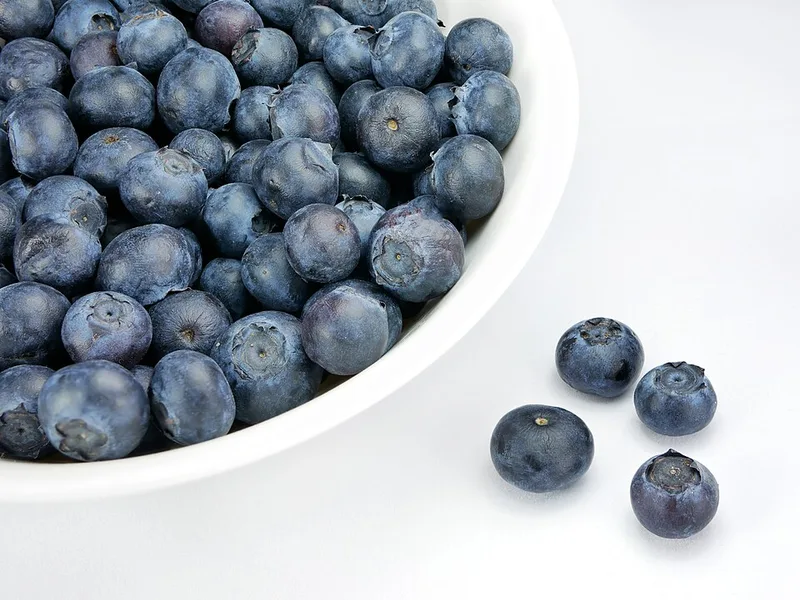
Fruit Powders & Juice Concentrates
Acai, blueberry, cranberry, elderberry, bilberry, coconut & moreJuice concentrates & spray-dried fruit powders · 100% natural, no additivesView product →
Soybean Extract (Isoflavones)
Glycine maxSoy isoflavones — grade on enquiryView product →
White Peony Root Extract
Paeonia lactifloraPaeoniflorin — grade on enquiryView product →Further reading
See Reading a botanical extract COA: what buyers should check before ordering in our News & Blog — it links to this product and to the grades most often compared with it.