Home / News & Blog / Reading a botanical extract COA: what buyers should check before ordering
Reading a botanical extract COA: what buyers should check before ordering
2026-11-24 · Fame Rise Biotech Inc. · info@famerise.com
Key takeaways:
- Read the assay with its method: the same number means different things by HPLC and by UV — milk thistle 80% by UV is not 80% by HPLC.
- Check identity first: botanical species, plant part, standardisation marker and format (powder, beadlet, oil or cold-water-dispersible).
- Safety markers are product-specific: ginkgolic acids for ginkgo (not more than 5 ppm), trans-resveratrol and emodin for resveratrol, free lutein versus lutein ester for lutein.
- A COA describes one batch, not the supplier: compare it line by line with the specification sheet, and treat a method mismatch as a question, not a detail.
- Missing lines are a finding: if the assay method, a safety marker or the batch number is absent, ask why before ordering.
Every batch of a botanical extract should arrive with a certificate of analysis (COA). The document is only useful if you know which lines to read first — and which lines are often missing. The four lines that matter most are the assay, the assay method, the safety markers and the identity of the material.
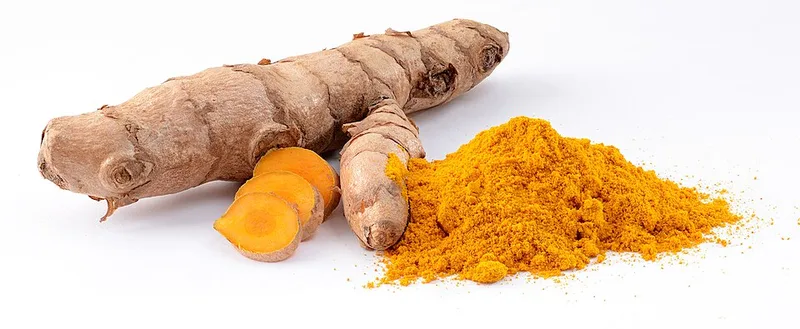
Start with the assay and its method, because the same number means different things under different methods. Ginkgo Biloba Extract is the classic example: the 24/6 standard means 24% flavonol glycosides and 6% terpene lactones by HPLC, to the USP and EP monographs. With Turmeric Extract (Curcumin), the 95% figure is the combined content of three curcuminoids by HPLC — a single-peak result is a warning sign, and the three-peak profile should be on the COA. With milk thistle, 80% by UV is not the same as 80% by HPLC, so the method must be stated next to the number.
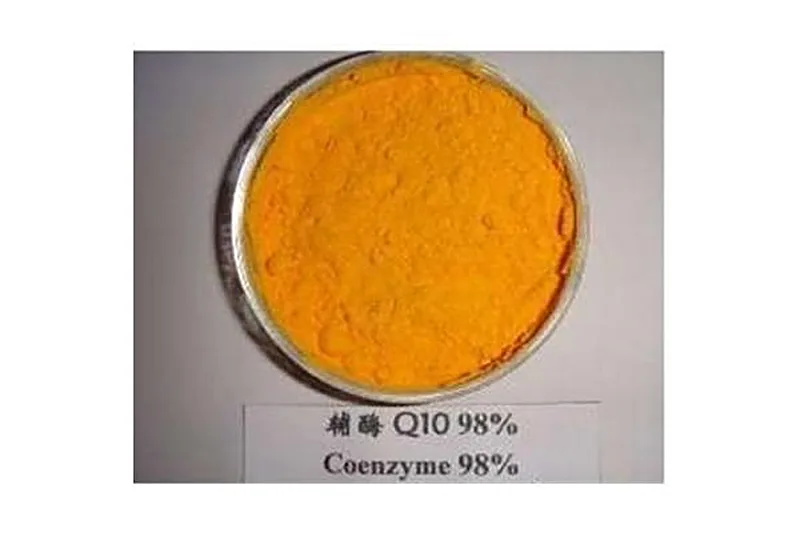
Next, check the safety markers — the lines that protect you at customs and in the finished product. For ginkgo, that is ginkgolic acids, limited to 5 ppm by the pharmacopoeias. For Resveratrol, it is the trans isomer (not total resveratrol) and the emodin content, typically limited to 0.5% at the 98% grade. For Lutein & Zeaxanthin, it is whether the percentage is free lutein or lutein ester — the same number means a different amount of active lutein. For Coenzyme Q10 (CoQ10), it is whether the grade is the 98% crystalline powder or a 10% or 20% water-soluble grade; the two are dosed very differently.
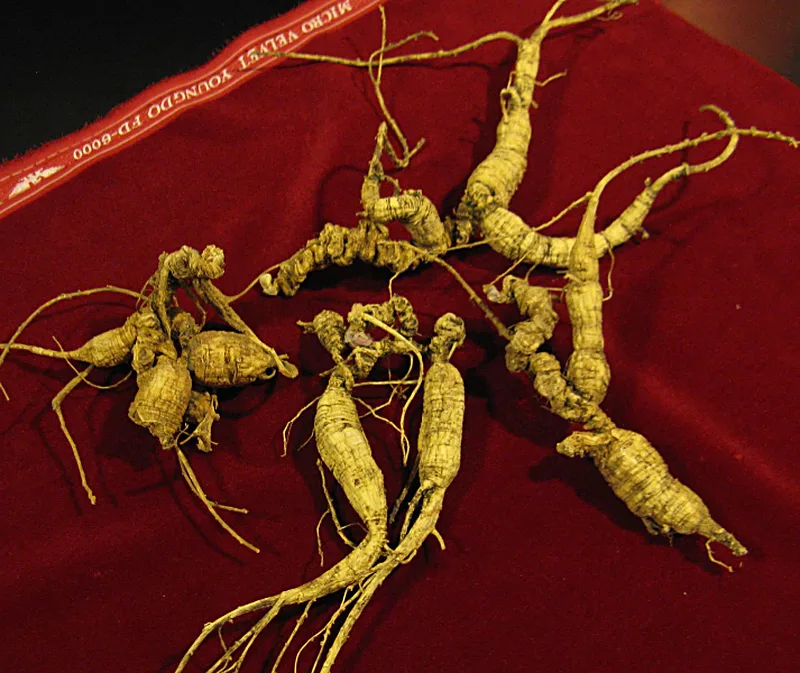
Then check identity and form. Ginseng Extract should state the species (Panax ginseng), the plant part (root, or leaf and stem) and whether the ginsenosides were measured by HPLC or UV. Lutein should state the format — powder, beadlet, oil or cold-water-dispersible — because the format decides whether it will disperse in a drink or a softgel. If any of these lines is missing from a COA, ask why before you place the order.
Finally, remember what a COA cannot tell you. It describes one batch, not the supplier. Ask for the specification sheet for the grade you are buying, compare it with the COA, and keep both on file. If the specification sheet and the COA use different methods for the same assay, treat that as a question to resolve, not a detail to ignore. For any product in the Fame Rise catalogue, contact sales at info@famerise.com with the product name and the grade you need, and we will send the specification sheet and a batch COA.

A worked example: reading a ginkgo 24/6 COA line by line
Ginkgo Biloba Extract is the best worked example, because its specification has more moving parts than most. The table below shows what each line of a ginkgo 24/6 COA should state and what to check on it. The values in the middle column are the specification values for the grade, not the measured results of a real batch — the measured result for your batch is the number in the result column of the COA you receive, and it should sit inside the specification.
| COA line | What it should state | What to check |
|---|
| Product name and identity | Ginkgo biloba L., leaf extract, standardised 24/6 | Species, plant part and grade are all named; a COA that says only “ginkgo extract” is incomplete |
| Batch number and dates | Batch number, manufacture date and test date | The batch number matches the goods received; the COA belongs to this batch, not to an earlier one |
| Flavonol glycosides | 24% by HPLC, to the USP / EP monograph | The method is HPLC and the basis is stated — the glycosides are reported after hydrolysis to their aglycones (quercetin, kaempferol, isorhamnetin) |
| Terpene lactones | 6% by HPLC | The ginkgolides and bilobalide are covered, not only a total figure with no breakdown |
| Ginkgolic acids | Not more than 5 ppm | A numeric result is shown, not a blank or “pass” with no number; the premium grade in the Fame Rise sample is limited to 1 ppm |
| Appearance and loss on drying | Yellow-brown fine powder; loss on drying within the specification | The result is a number with a limit, so it can be compared with the next batch |
| Heavy metals, pesticides, microbiology | Results with limits, confirmed on the batch COA | These lines are present at all — if they are missing, ask for them rather than assuming they were tested |
Read the assay lines together, not one at a time. A COA that shows 24% flavonol glycosides but no terpene lactone result is only half a specification, and a COA that shows a high total without naming the method may have been measured by a method that cannot separate the individual compounds. The same discipline applies to the other examples in this guide: with Turmeric Extract (Curcumin), the 95% figure is the combined content of three curcuminoids by HPLC — curcumin about 75–81%, demethoxycurcumin about 15–19% and bisdemethoxycurcumin about 2.5–6% — so a single-peak result is a warning sign and the three-peak profile should be on the COA. With Milk Thistle Extract, silymarin 80% by UV is not the same as silymarin above 50% by HPLC, so the method must be stated next to the number.
Red flags: a checklist before you accept a COA
Most problem COAs are not forged; they are incomplete, or they measure the wrong thing. Work through this checklist before accepting a batch, and treat any item on it as a question to resolve with the supplier, not as a reason to argue about the price.
- Assay with no method. A percentage with no assay method next to it cannot be compared with anything. Ask whether it was HPLC or UV, and ask for the method to be stated on the COA.
- A UV number quoted as if it were HPLC. UV measures total absorbance and can overstate the content of the named marker. Milk thistle is the classic case: silymarin 80% by UV and silymarin above 50% by HPLC describe different measurements, and silybin above 95% is an HPLC figure.
- A single-peak curcuminoid profile. Genuine 95% curcuminoids show three peaks by HPLC. One peak, or no chromatogram reference, deserves a question.
- Total resveratrol with no trans isomer. For Resveratrol, the figure that matters is trans-resveratrol — at the 98% grade, the minimum 98% trans-resveratrol by HPLC — together with the emodin content, typically limited to 0.5% at that grade. A COA that reports only total resveratrol has not answered the question.
- Lutein with no free-versus-ester basis. For Lutein & Zeaxanthin, the same percentage means a different amount of active lutein depending on whether it is free lutein or lutein ester, and the format — powder, beadlet, oil or cold-water-dispersible — decides whether it will disperse in a drink or a softgel. Both must be stated.
- CoQ10 with no format. For Coenzyme Q10 (CoQ10), the 98% crystalline powder and the 10% or 20% water-soluble grades are dosed very differently. A COA that gives a percentage without a format is incomplete.
- Ginseng with no species or plant part. For Ginseng Extract, the COA should state the species (Panax ginseng), the plant part (root, or leaf and stem) and whether the ginsenosides were measured by HPLC or UV. HPLC quantifies individual ginsenosides; UV gives only a total.
- No batch number, test date or retest date. A COA that cannot be tied to the goods in front of you, or that carries no date, cannot be filed against the batch.
- Specification sheet and COA using different methods. If the specification says HPLC and the COA says UV for the same assay, treat that as a question to resolve, not a detail to ignore.
- Adulteration checks missing where the monograph requires them. The USP monograph for ginkgo sets limit tests for rutin and free quercetin in the unhydrolysed material, which can indicate adulteration with cheaper material. If your specification calls for them, they should be on the COA.
- No safety-marker lines at all. Heavy metals, pesticide residues and microbiology are confirmed on the batch COA. A COA with no results and no limits for them has not shown that they were tested.
One more check applies to every extract, not just the examples above: the identity test. A COA should show how the material was identified — an HPLC fingerprint, a TLC result, or a test against the pharmacopoeial monograph — and not only an assay number. An assay can be correct for the wrong material; an identity test is what ties the number to the plant it claims to be.
From COA to order: the documents to keep on file
A COA is one document in a small file that should travel with every order. Keep the specification sheet for the grade you bought, the batch COA for the batch you received, and the correspondence in which the grade, the assay method and the format were agreed. When the next batch arrives, compare its COA with the specification sheet line by line and with the previous batch: the numbers should move within a narrow range, and a sudden jump in an assay result or a missing line is worth a question even if the result still passes.
If a line fails, do not average it away and do not blend the batch into compliance. Ask the supplier for an explanation and, where the result matters, a retest; check whether the specification sheet and the COA used the same method; and keep the failed COA on file with the correspondence about it. A supplier that can explain a result, show the method and retest transparently is giving you usable information; a supplier that replaces the COA without explanation is not. For any product in the Fame Rise catalogue, contact sales at info@famerise.com with the product name and the grade you need, and we will send the specification sheet and a batch COA.
Finally, remember what a COA cannot tell you. It describes one batch, not the supplier, and it does not certify anything it does not list. Certifications such as ISO, Halal, Kosher, Organic or cGMP have their own scope, which is to be confirmed for the specific product before ordering — they are not claimed on this site and cannot be inferred from a COA. Minimum order quantity, packaging, lead time and price are also to be confirmed; ask sales with the product name, the grade, the quantity and the destination. Shelf life is confirmed on the batch COA. Keep the file complete, and the next order starts from evidence instead of from memory.
Frequently asked questions
What is the difference between a COA and a specification sheet?
The specification sheet states what a grade must meet; the COA states what one batch actually measured. Compare them line by line: every limit on the specification sheet should have a matching result on the COA, measured by the same method.
Can I compare two suppliers’ COAs directly?
Only if the assay and the method match. An HPLC result and a UV result for the same marker are not comparable, and neither are results on different bases, such as free lutein versus lutein ester. Ask both suppliers for the same method before comparing.
What does HPLC versus UV mean on a COA?
HPLC separates a sample and quantifies individual compounds, such as the three curcuminoids or individual ginsenosides. UV measures total absorbance and can overstate the named marker. The method must be stated next to the number for the result to mean anything.
My COA has no pesticide or heavy-metal results — is that a problem?
Ask for them. Heavy metals, pesticide residues and microbiology are confirmed on the batch COA, and a COA with no results for them has not shown they were tested. Do not assume a missing line was tested and passed.
How long is a COA valid?
A COA covers one batch only, not later batches of the same grade. Shelf life and retest date are confirmed on the batch COA — ask sales for them — and keep the COA together with the specification sheet on file for each batch you receive.
Sources:
- USP — United States Pharmacopeia (monographs: Ginkgo Biloba Extract, American Ginseng Capsules, Coenzyme Q10) — Pharmacopoeial monograph standards for ginkgo 24/6, ginseng storage and CoQ10 assay 98–101% by HPLC.
- USP American Ginseng Capsules monograph (storage in tight containers, protected from light, controlled room temperature) — USP monograph storage conditions cited for ginseng; HPLC versus UV assay distinction for ginsenosides.
- European Pharmacopoeia (EDQM) — Ginkgo dry extract, refined and quantified — EP monograph for standardised ginkgo extract: 24% flavonol glycosides, 6% terpene lactones, ginkgolic acids not more than 5 ppm.
- Fame Rise Biotech — Quality page — Fame Rise quality documentation: specification sheets and batch COAs available on request.
- Fame Rise Biotech — Ginkgo Biloba Extract product page — Catalogue specification for the worked example: 24% flavonoids / 6% terpenoids, USP / CP / EP standard, ginkgolic acids not more than 5 ppm.
Products mentioned in this article
← All articles · Browse products