Home / Products / Botanical Extracts / Ginkgo Biloba Extract
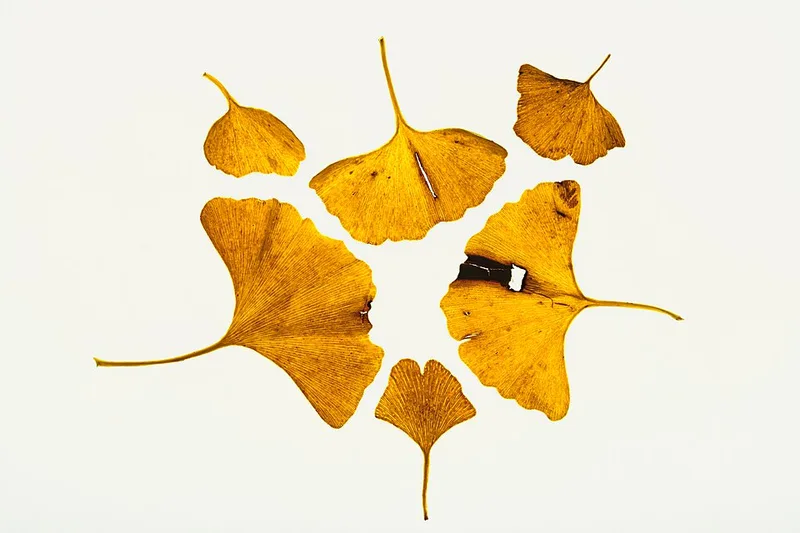
Photo: Wikimedia Commons by Franz van Duns (CC BY-SA 4.0)
Ginkgo Biloba Extract
Standardised leaf extract at 24% flavonoids and 6% terpenoids, manufactured to USP / CP / EP monograph standards.
At a glance: Standardised leaf extract at 24% flavonoids and 6% terpenoids, manufactured to USP / CP / EP monograph standards.
| Source | Ginkgo biloba L. |
|---|---|
| Part used | Leaf |
| Form | Powder |
| Specification | 24% flavones / 6% lactones · USP / CP / EP standard · Water-soluble grade |
| Test method | HPLC / UV |
Specification
| Product | Ginkgo Biloba Extract |
|---|---|
| Botanical / source name | Ginkgo biloba L. |
| CAS number | 90045-36-6 |
| Specification | 24% flavones / 6% lactones · USP / CP / EP standard · Water-soluble grade |
| Appearance | Yellow-brown fine powder |
| Form | Powder |
| Plant part / source | Leaf |
| Solubility | Water-soluble grade available; standard grade is poorly water soluble |
| Test method | HPLC / UV |
Grades & forms
24% flavonoids / 6% terpenoids (EGb 24/6) to USP / CP / EP standard. Ginkgolic acids ≤5 ppm by the pharmacopoeial limit (≤1 ppm for the premium grade in the company sample).
Standard 24% flavonol glycosides / 6% terpene lactones (EGb 24/6) to USP/CP/EP standard, plus a water-soluble 24/6 grade; ginkgolic acids ≤5 ppm, with a premium grade at ≤1 ppm.
How to use — formulation notes
The standard 24/6 extract is slightly soluble in water and soluble in dilute alcohol, so the standard powder suits capsules and tablets best, while the water-soluble grade is the right choice for beverages and liquid supplements. The terpene lactone fraction is less water-friendly than the flavonoid fraction, so check dispersion at your use level before locking in a liquid format. Ginkgolic acids are capped at 5 ppm by the pharmacopoeias, so ask for the numeric result on the COA. Store cool, dry and protected from light and moisture, and confirm the grade and use level for your application.
It is often compared with Ginseng Extract and Turmeric Extract (Curcumin) in the same Botanical Extracts range — see the related products below — and the Reading a botanical extract COA: what buyers should check before ordering guide in our News & Blog covers how buyers compare grades like this one.
Applications
- ✓Healthcare foods
- ✓cosmetics
Typical uses are listed from the company catalogue. Confirm the grade, the permitted use level and the local rules for your target market before launch.
In the finished product
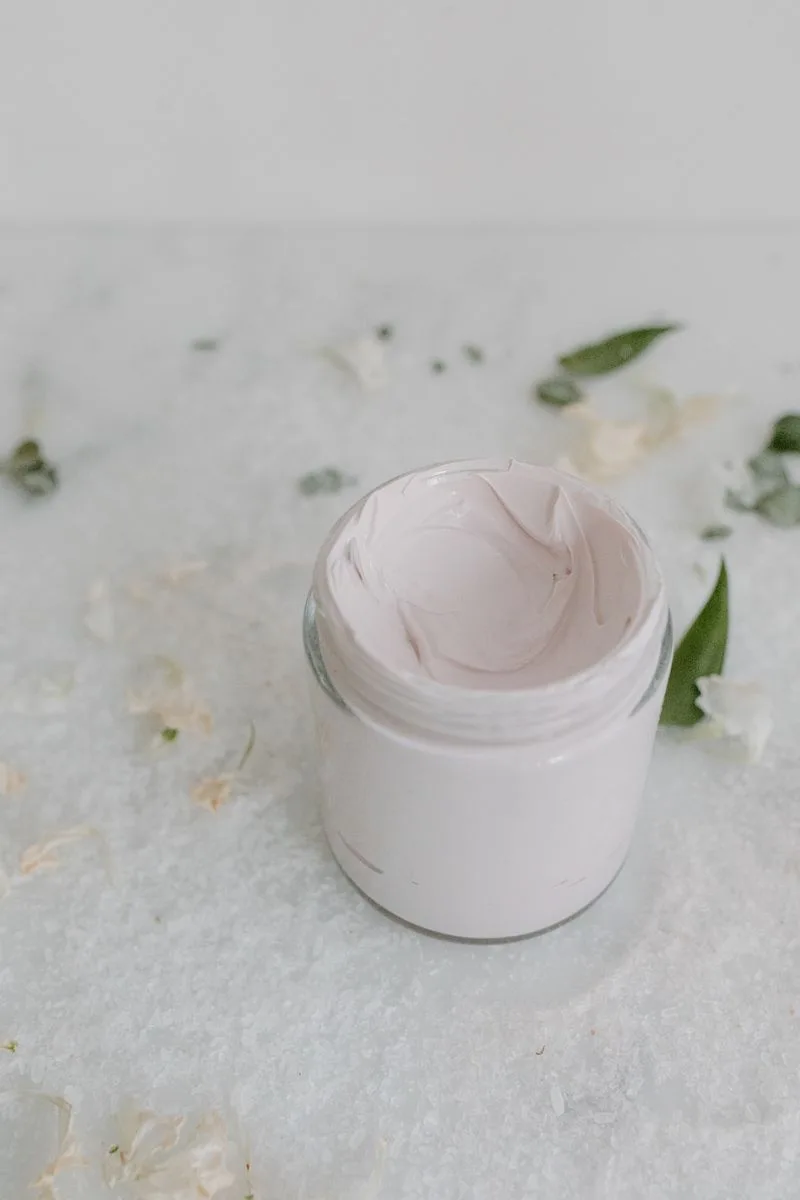
Open glass jar of pale pink skincare cream on marble with green leaves — a typical application for this ingredient.
- Certifications (ISO, Halal, Kosher, Organic, cGMP) — scope to be confirmed; not claimed on this site
- MOQ, packaging, lead time and price — To be confirmed; ask sales
- Loss on drying, heavy metals, pesticide residues and microbiological limits — confirm on the batch COA
Frequently asked questions
What does 24/6 mean?
The standardised extract contains 24% flavonol glycosides and 6% terpene lactones (ginkgolides and bilobalide), measured by HPLC. This is the EGb 761-type specification used in the USP and EP monographs.
Why does ginkgolic acid matter?
Ginkgolic acids are limited by the pharmacopoeias (≤5 ppm). Ask for the ginkgolic-acid result on the COA — it is the key safety marker for this extract.
Do you have a water-soluble grade?
Yes — a water-soluble 24/6 grade is listed for beverage and liquid supplement applications.
Can I get a COA and a sample?
Yes — batch COAs are available on request. Contact sales at info@famerise.com with the product name, the grade you need and your target application.
What is the minimum order quantity and packaging?
To be confirmed — ask sales at info@famerise.com. Tell us the grade you need, the quantity and the target application, and sales will confirm the MOQ, packaging, lead time and price for your order.
What is the shelf life?
Shelf life is confirmed on the batch COA; supplier guides commonly quote around 24 months for the standard extract when stored cool, dry and protected from light. Confirm the re-test date on the COA for the batch you receive.
Can I order a custom grade, for example a lower ginkgolic-acid limit?
Yes — custom specifications can be quoted on enquiry, including the premium grade with ginkgolic acids at or below 1 ppm and the water-soluble 24/6 grade. Tell sales the grade, the assay method and the quantity, and we will confirm availability and lead time.
Specification basis: USP / EP monographs — Ginkgo dry extract, refined and quantified (24% flavonol glycosides, 6% terpene lactones); PlantExtract.pdf — Ginkgo Biloba Extract. Figures are typical catalogue values; the batch COA is the binding document for the lot you receive.
Formulation notes — sources:
- Blue Eyes Bio Ginkgo Biloba Extract 24/6 guide (EP 22.0–27.0% flavonol glycosides, 5.4–6.6% terpene lactones, ginkgolic acids ≤5 ppm; lactone fraction less water-friendly) — https://www.blueeyes-bio.com/ginkgo-biloba-extract-24-6-fingerprint-coa-guide.html
- Nutralighting Ginkgo Biloba Extract (slightly soluble in water, soluble in dilute alcohol; store cool, dry, below 25 °C, protected from light and moisture) — https://www.nutralighting.com/ginkgo-biloba-extract.html
Related products
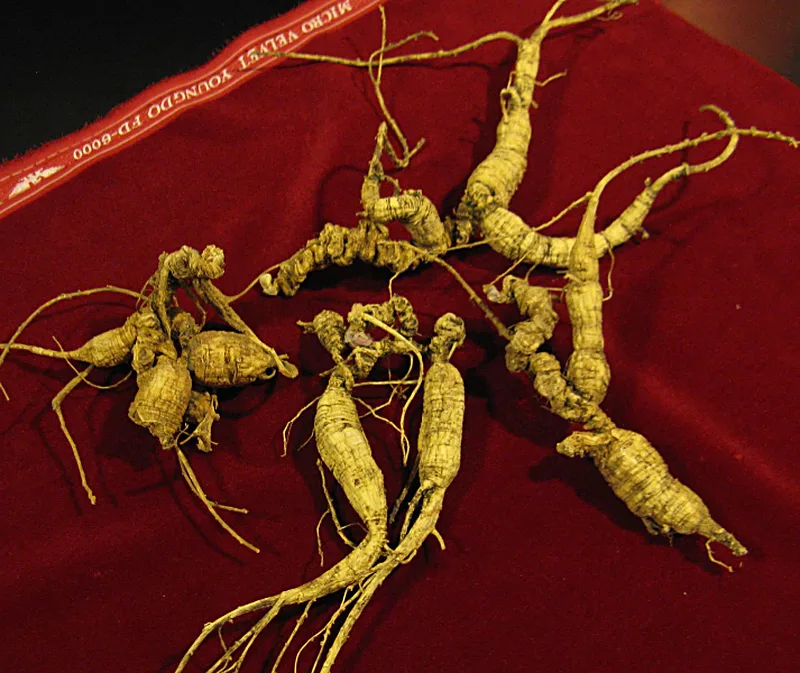
Ginseng Extract
Panax ginseng C. A. Mey.Ginsenosides 5–80% · Root / leaf & stem / American / red · Low-pesticide series availableView product →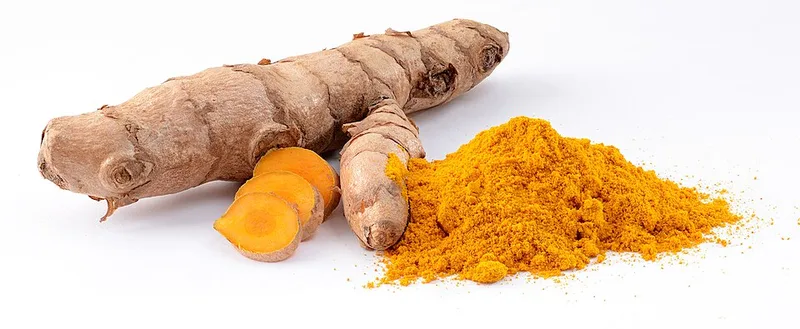
Turmeric Extract (Curcumin)
Curcuma longa L.Curcuminoids — grade on enquiryView product →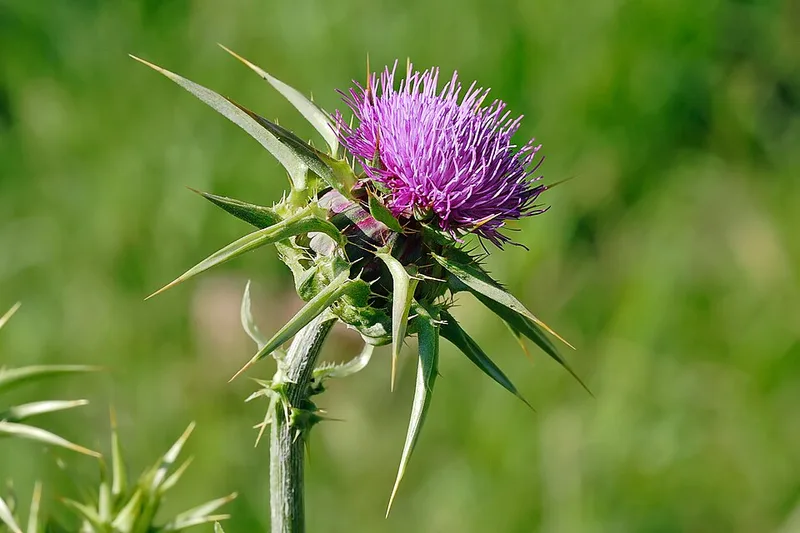
Milk Thistle Extract
Silybum marianum G.Silymarin 80% UV (silybins >30%) · Silymarin >50% HPLC · Silybin >95%View product →
Green Tea Extract
Camellia sinensisTea polyphenols / EGCG — grade on enquiryView product →Further reading
See Reading a botanical extract COA: what buyers should check before ordering in our News & Blog — it links to this product and to the grades most often compared with it.