
Home / Products / Botanical Extracts / Green Tea Extract
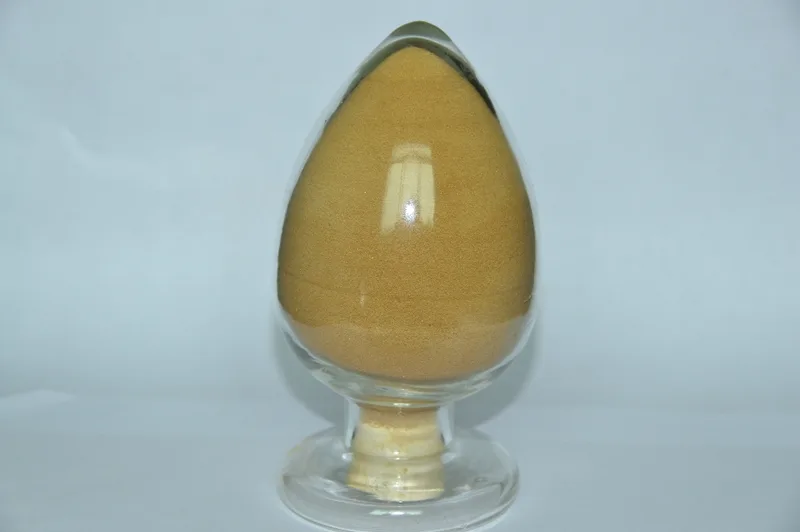
Photo: Fame Rise Biotech Inc.
Green Tea Extract
Leaf extract standardised for polyphenols, for beverages, supplements and cosmetic formulations.
At a glance: Leaf extract standardised for polyphenols, for beverages, supplements and cosmetic formulations.
| Source | Camellia sinensis |
|---|---|
| Part used | Leaf |
| Form | Powder |
| Specification | Tea polyphenols / EGCG — grade on enquiry |
| Test method | UV / HPLC |
Specification
| Product | Green Tea Extract |
|---|---|
| Botanical / source name | Camellia sinensis |
| CAS number | — |
| Specification | Tea polyphenols / EGCG — grade on enquiry |
| Appearance | Light brown to green-brown fine powder |
| Form | Powder |
| Plant part / source | Leaf |
| Solubility | Water soluble |
| Test method | UV / HPLC |
Grades & forms
Tea polyphenols / EGCG — grade on enquiry. Confirm the polyphenol and EGCG content on the specification sheet before ordering.
Tea polyphenols and EGCG grades are on enquiry; confirm both figures on the specification sheet before ordering.
How to use — formulation notes
Green tea extract is water soluble and suits capsules, tablets, instant beverages and cosmetic toners and serums. EGCG, its main catechin, is unstable in neutral or alkaline conditions and degrades with light, heat and oxygen, so keep cosmetic and beverage formulas mildly acidic (around pH 4.0–5.5), add the extract during the cool-down phase below about 40 °C, and use light-protective packaging. Ask for total polyphenols and EGCG quoted separately on the COA. Confirm the grade and use level for your application.
It is often compared with Ginseng Extract and Ginkgo Biloba Extract in the same Botanical Extracts range — see the related products below — and the Reading a botanical extract COA: what buyers should check before ordering guide in our News & Blog covers how buyers compare grades like this one.
Applications
- ✓Beverages
- ✓supplements
- ✓cosmetics
Typical uses are listed from the company catalogue. Confirm the grade, the permitted use level and the local rules for your target market before launch.
In the finished product
Glass of fresh orange juice with oranges, lime and a croissant on a breakfast table — a typical application for this ingredient.
- Certifications (ISO, Halal, Kosher, Organic, cGMP) — scope to be confirmed; not claimed on this site
- MOQ, packaging, lead time and price — To be confirmed; ask sales
- Loss on drying, heavy metals, pesticide residues and microbiological limits — confirm on the batch COA
Frequently asked questions
What should I specify — polyphenols or EGCG?
Both. Total tea polyphenols and EGCG content are quoted separately, and the ratio depends on the extraction. Ask for both figures on the COA.
Is green tea extract the same as black tea extract?
No — both come from Camellia sinensis, but green tea extract is standardised for polyphenols/EGCG while black tea extract is standardised for theaflavins. See the Black Tea Extract page for the fermented-leaf grade.
Can I get a COA and a sample?
Yes — batch COAs are available on request. Contact sales at info@famerise.com with the product name, the grade you need and your target application.
What is the minimum order quantity and packaging?
To be confirmed — ask sales at info@famerise.com. Tell us the grade you need, the quantity and the target application, and sales will confirm the MOQ, packaging, lead time and price for your order.
What is the shelf life, and how should it be stored?
Shelf life is confirmed on the batch COA. Store the powder sealed in a cool, dry place away from light, heat and oxygen, since the catechins degrade when exposed to air and moisture; use the extract promptly once the pack is opened.
Can you supply a custom polyphenol or EGCG grade?
Yes — grades are quoted on enquiry, with total polyphenols and EGCG stated separately. Tell sales the polyphenol and EGCG percentages you need, the assay method and the quantity, and we will confirm whether the grade can be supplied.
Specification basis: PlantExtract.pdf — Tea Extract. Figures are typical catalogue values; the batch COA is the binding document for the lot you receive.
Formulation notes — sources:
- Formula Chemistry Green Tea Extract (water soluble; most stable at pH 4.0–5.5; add during cool-down below 40 °C; store cool and dark, avoid oxygen) — https://formulachemistry.com/green-tea-extract-powerful-antioxidant/
Related products
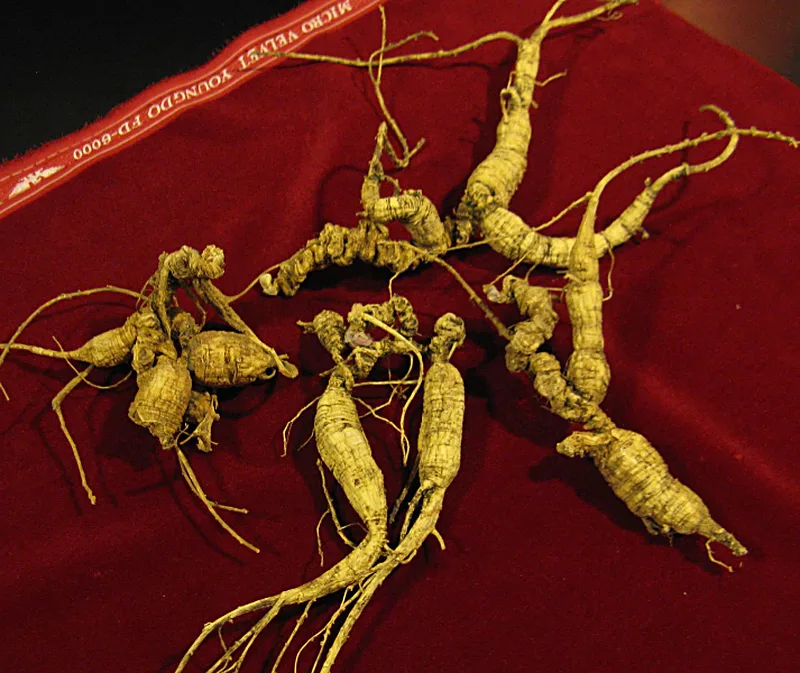
Ginseng Extract
Panax ginseng C. A. Mey.Ginsenosides 5–80% · Root / leaf & stem / American / red · Low-pesticide series availableView product →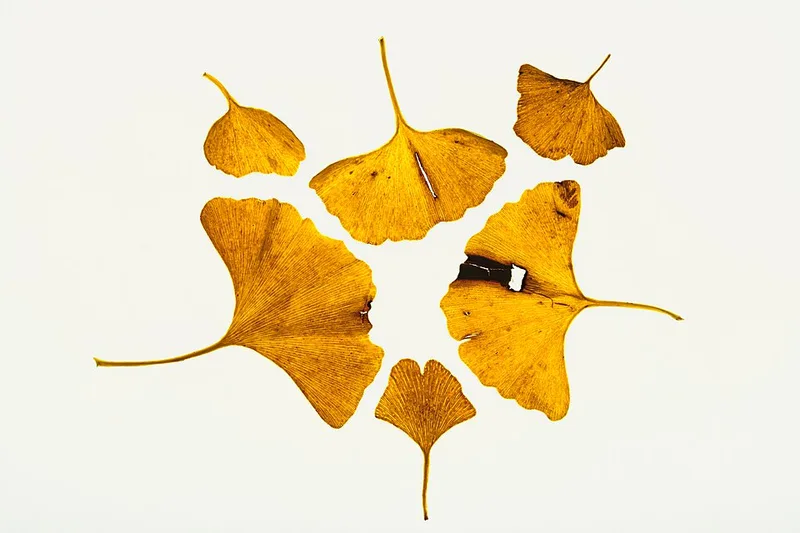
Ginkgo Biloba Extract
Ginkgo biloba L.24% flavones / 6% lactones · USP / CP / EP standard · Water-soluble gradeView product →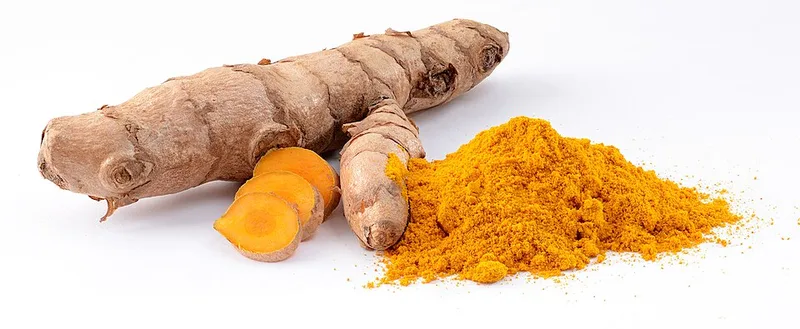
Turmeric Extract (Curcumin)
Curcuma longa L.Curcuminoids — grade on enquiryView product →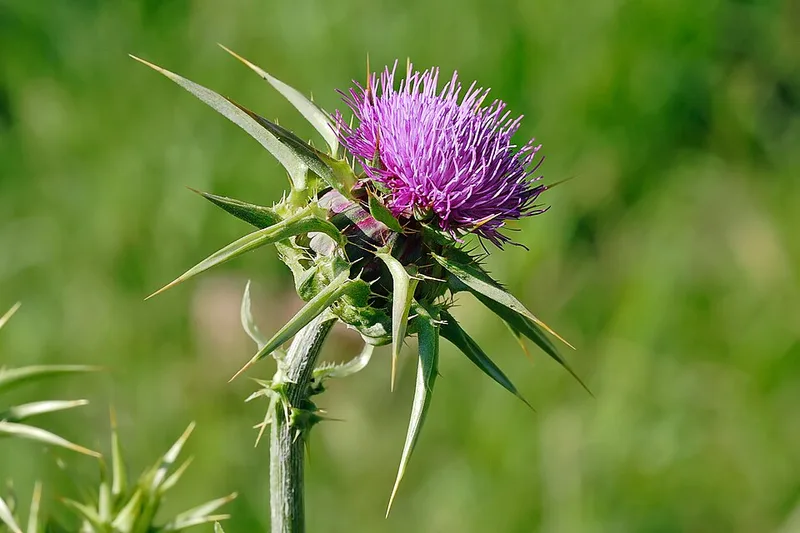
Milk Thistle Extract
Silybum marianum G.Silymarin 80% UV (silybins >30%) · Silymarin >50% HPLC · Silybin >95%View product →Further reading
See Reading a botanical extract COA: what buyers should check before ordering in our News & Blog — it links to this product and to the grades most often compared with it.