
Home / Products / Botanical Extracts
Botanical Extracts
Standardised plant extracts for supplements, functional foods and cosmetics. Each extract is defined by its botanical source, plant part and active marker, with the assay method stated so QA teams can match it to their own monograph.
17 products in this category
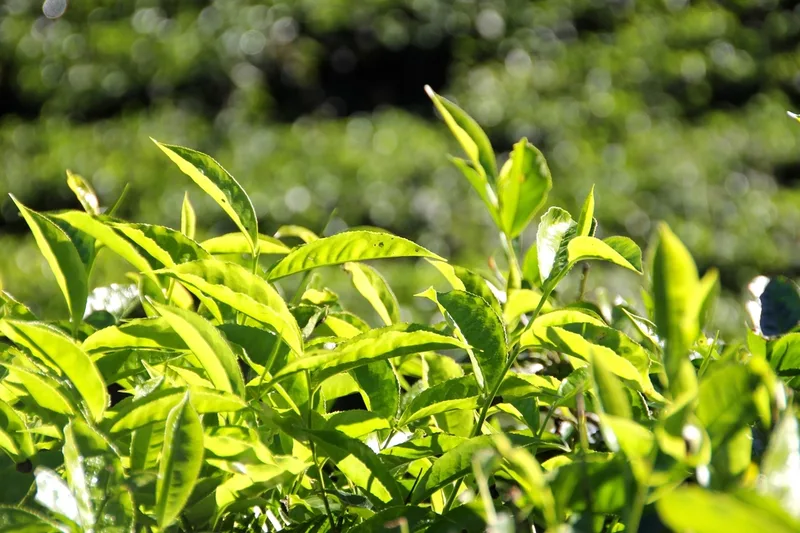
Botanical extracts are concentrated plant preparations for supplement, functional-food and cosmetic formulations: this category covers 17 of them, from ginseng, ginkgo, turmeric, milk thistle and green tea to tongkat ali, maca, ginger, garlic, echinacea, centella, epimedium, citrus aurantium, vine tea, black tea, capsicum oleoresin and oregano. The single most important idea in this category is standardisation. A standardised extract is defined by a named active marker, a stated assay method and a stated plant part, so that one batch can be compared with the next and with a specification sheet. Ginkgo biloba leaf extract is the clearest example: the standard grade is 24% flavonol glycosides and 6% terpene lactones (the 24/6 specification used in the USP and European Pharmacopoeia monographs), with ginkgolic acids limited to 5 ppm or less. Ginseng extract is standardised to 5–80% ginsenosides by HPLC or UV, with root, leaf-and-stem, American and red ginseng grades, and a low-pesticide-residue series in which each specified pesticide is under 10 ppb in the company sample. Milk thistle is listed at silymarin 80% by UV (silybins over 30%), silymarin over 50% by HPLC and silybin over 95%; vine tea is listed at dihydromyricetin 50–98% and myricetin 70–98% by HPLC; tongkat ali at eurycomanone 1–12% with extract ratios of 10:1 to 200:1. For several extracts in this range — turmeric (curcuminoids), green tea (tea polyphenols and EGCG), maca, ginger, garlic, echinacea, centella, epimedium, citrus aurantium, black tea, capsicum oleoresin and oregano — the grade is quoted on enquiry, so the marker, the assay method and the plant part must be agreed on the specification sheet before ordering. The assay method matters as much as the number: HPLC quantifies individual marker compounds, while UV gives a total figure, so a 5–80% ginsenoside result by UV is not directly comparable with the same figure by HPLC, and buyers should state the method they require. Solubility is the other practical divide. Standard ginseng extract powder is water-soluble and blends into capsules, tablets and aqueous beverages, and a water-soluble 24/6 ginkgo grade is listed for drinks and liquid supplements, while the standard ginkgo grade is poorly water-soluble. Curcumin is poorly water-soluble and is formulated in practice with piperine, phytosome, dispersion or micellar formats; silymarin is also poorly water-soluble and is handled with solid dispersions, cyclodextrin complexes or lipid carriers; green tea extract is water-soluble and most stable at pH 4.0–5.5, and is added during cool-down below 40 °C. Every product page states the botanical source, plant part, marker and assay method where the catalogue lists them, and batch COAs are available on request. Certifications, minimum order quantity, packaging, lead time and price are not stated on this site: To be confirmed — ask sales at info@famerise.com.
Choosing the right grade
Choose by marker, method, plant part and dosage form — in that order. First, name the marker and the assay method on your specification sheet: HPLC for individual compounds such as ginsenosides, dihydromyricetin or silybin, UV where a total figure is accepted, and do not compare an HPLC number with a UV number as if they were the same test. Second, confirm the plant part, because root, leaf and stem, fruit and seed extracts from the same species are different materials with different markers. Third, decide between a standardised extract and a ratio extract: a standardised extract (for example ginkgo 24/6 or ginsenosides 80%) gives a fixed marker content batch after batch, while a ratio extract (for example tongkat ali 10:1 to 200:1) describes how much raw material was used and needs the marker result on the COA to be comparable. Fourth, match solubility to the dosage form — water-soluble grades for beverages and liquid supplements, standard powders for capsules and tablets, and a dispersion or carrier format where the marker is poorly water-soluble, as with curcumin and silymarin. Finally, check the COA for the markers that matter for the extract you buy: ginkgolic acids for ginkgo, the pesticide panel for ginseng, and heavy metals, residual solvents and microbiology for every extract. Where the grade is listed as 'on enquiry', agree the marker, method and limits in writing before ordering.
| Extract | Marker to specify | Assay method | Form / solubility note |
|---|---|---|---|
| Ginkgo biloba | 24% flavonol glycosides / 6% terpene lactones; ginkgolic acids ≤5 ppm | HPLC | Powder; water-soluble 24/6 grade available |
| Ginseng | Ginsenosides 5–80% | HPLC or UV — state which | Water-soluble powder; root, leaf/stem, American, red |
| Milk thistle | Silymarin 80% UV; silybin >95% | UV / HPLC | Poorly water-soluble marker — check the format |
| Turmeric (curcumin) | Curcuminoids — grade on enquiry | HPLC — confirm on spec sheet | Poorly water-soluble — dispersion/phytosome formats used |
| Green tea | Tea polyphenols / EGCG — grade on enquiry | Confirm on spec sheet | Water-soluble; most stable at pH 4.0–5.5 |
| Vine tea | Dihydromyricetin 50–98%; myricetin 70–98% | HPLC | Powder — confirm grade per order |
| Tongkat ali | Eurycomanone 1–12%; ratio 10:1–200:1 | HPLC — confirm on spec sheet | Powder — ratio alone is not a marker result |
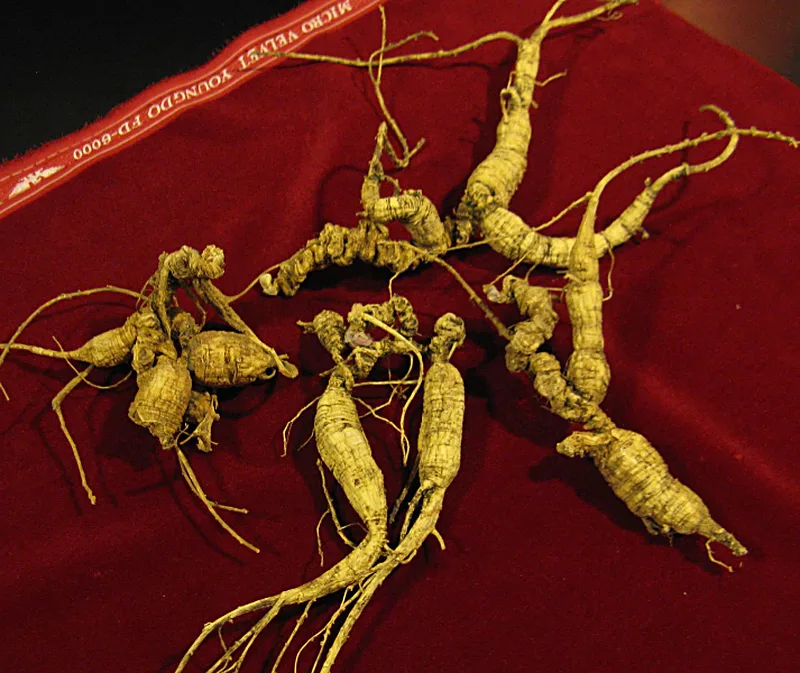
Ginseng Extract
Panax ginseng C. A. Mey.Ginsenosides 5–80% · Root / leaf & stem / American / red · Low-pesticide series availableView product →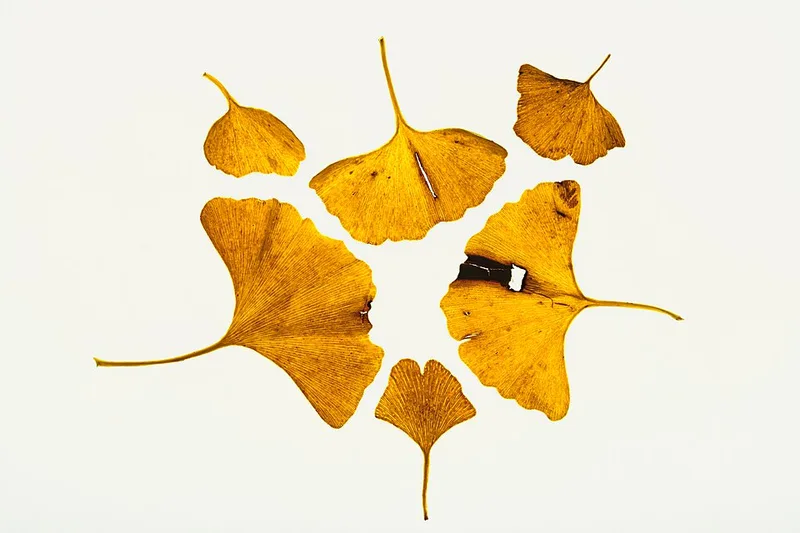
Ginkgo Biloba Extract
Ginkgo biloba L.24% flavones / 6% lactones · USP / CP / EP standard · Water-soluble gradeView product →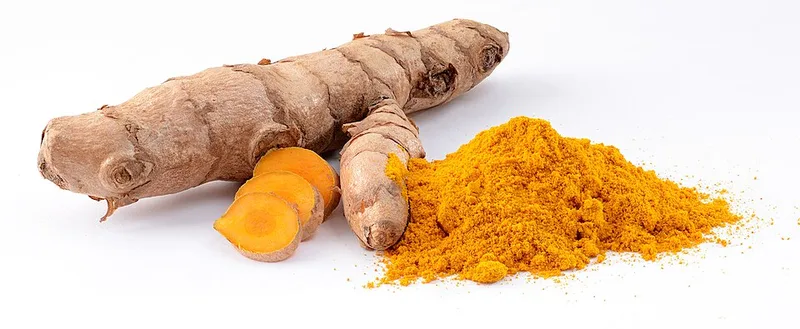
Turmeric Extract (Curcumin)
Curcuma longa L.Curcuminoids — grade on enquiryView product →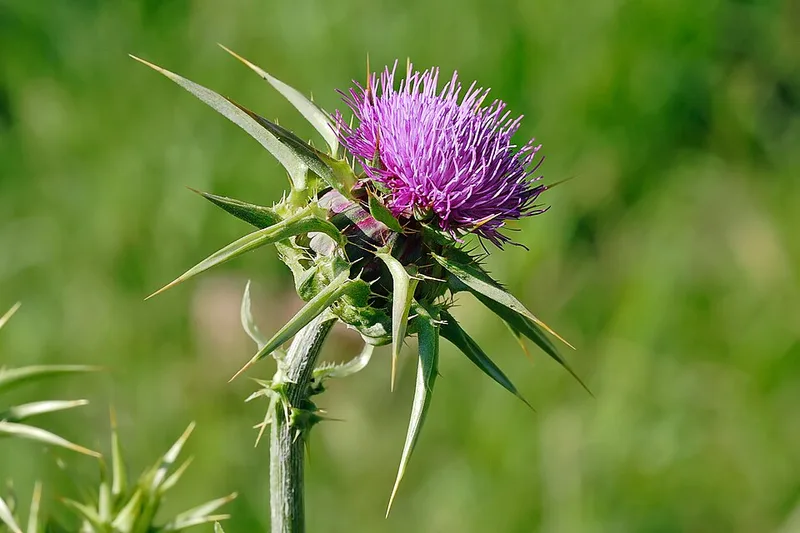
Milk Thistle Extract
Silybum marianum G.Silymarin 80% UV (silybins >30%) · Silymarin >50% HPLC · Silybin >95%View product →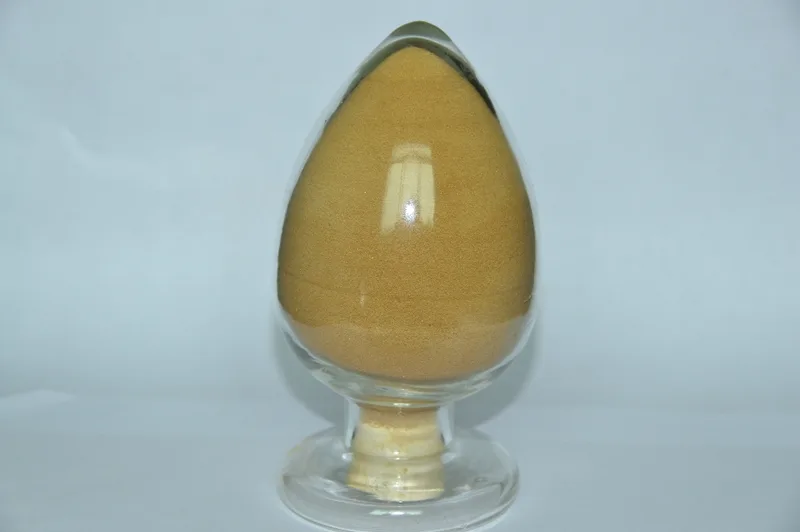
Green Tea Extract
Camellia sinensisTea polyphenols / EGCG — grade on enquiryView product →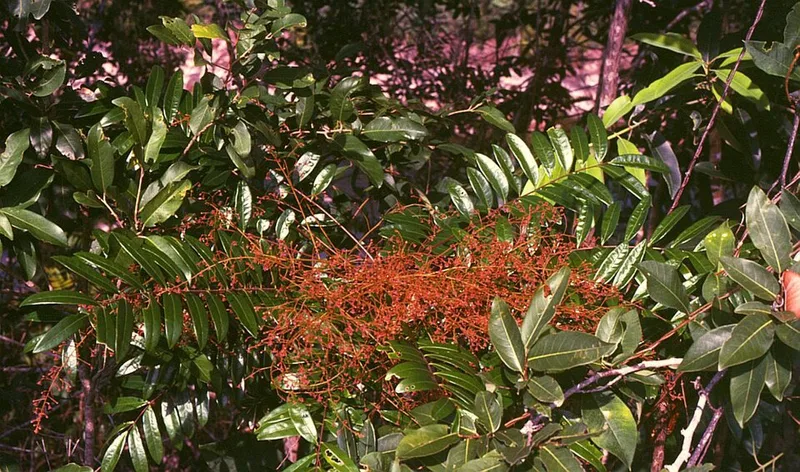
Tongkat Ali Extract
Eurycoma longifolia JackEurycomanone 1–12% · Extract ratios 10:1–200:1View product →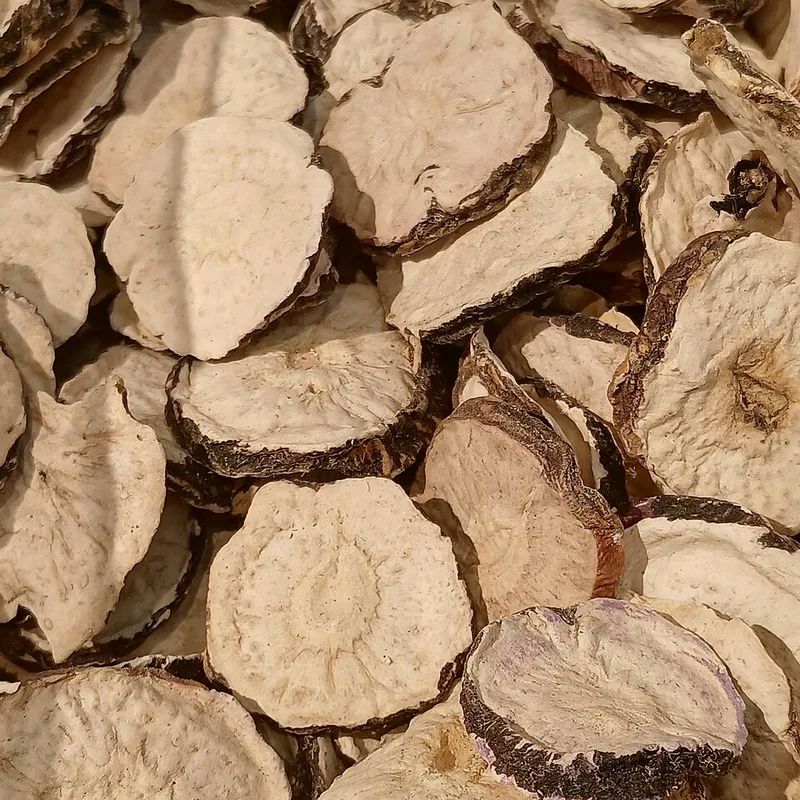
Maca Extract
Lepidium meyeniiExtract ratio / macamides — grade on enquiryView product →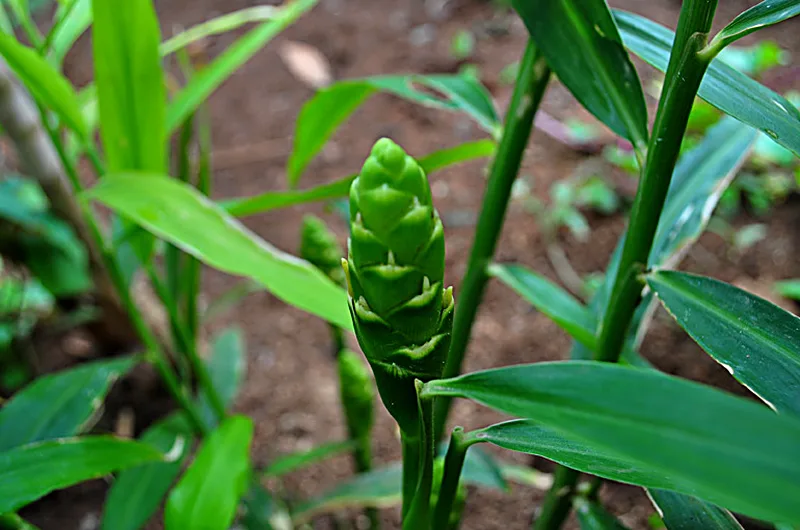
Ginger Extract
Zingiber officinaleGingerols — grade on enquiryView product →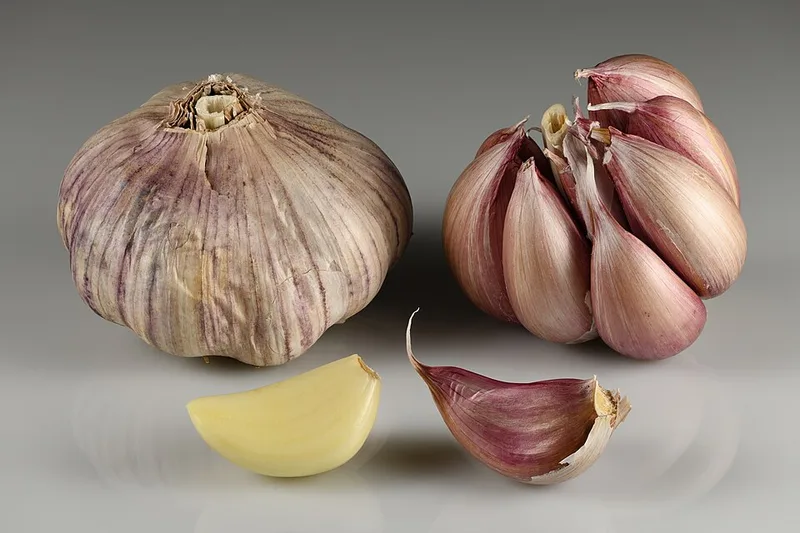
Garlic Extract
Allium sativumAllicin potential — grade on enquiryView product →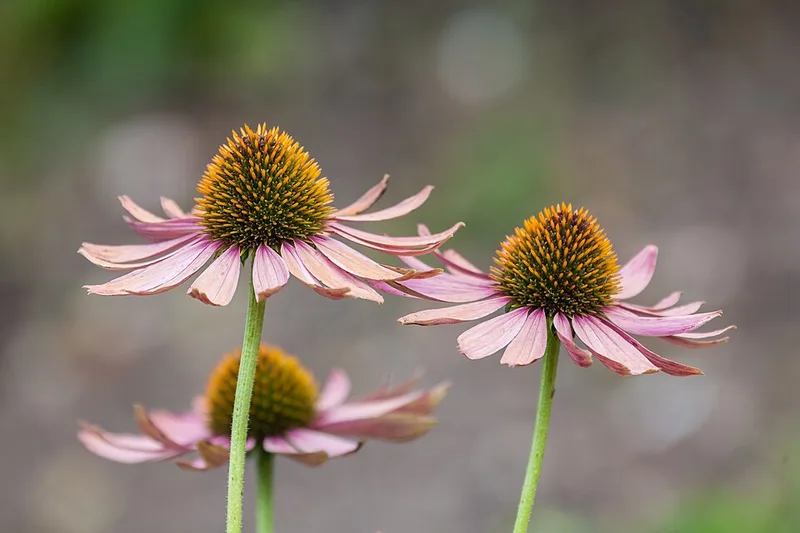
Echinacea Extract
Echinacea purpureaPolyphenols / cichoric acid — grade on enquiryView product →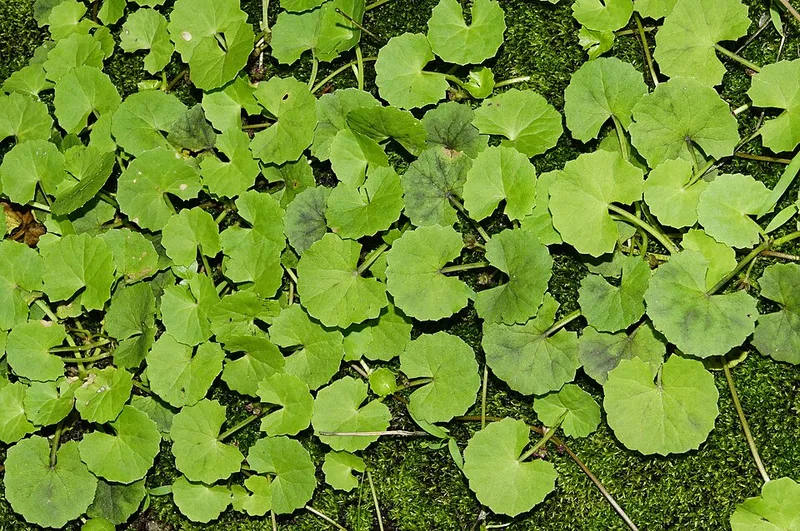
Centella Asiatica Extract
Centella asiaticaAsiaticosides — grade on enquiryView product →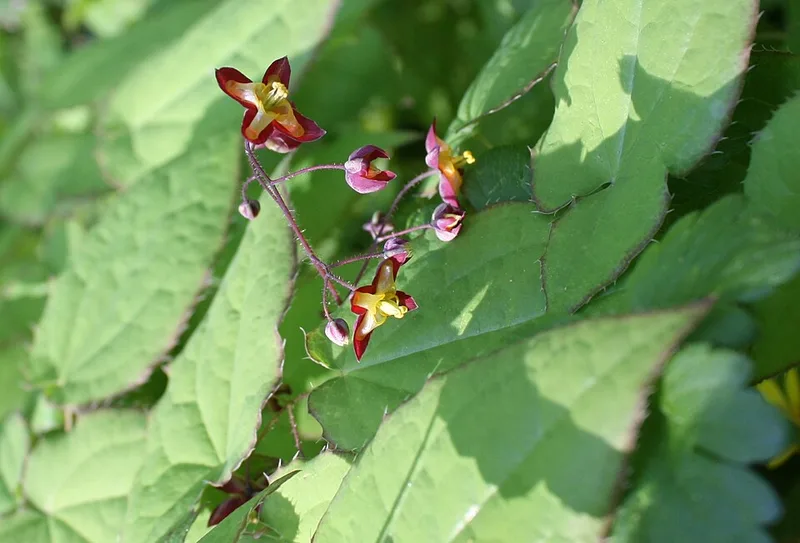
Epimedium Extract
Epimedium spp.Icariin — grade on enquiryView product →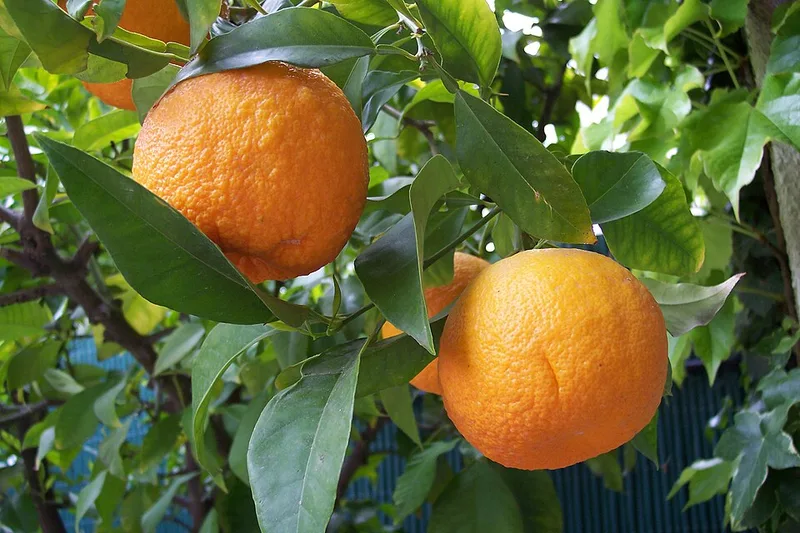
Citrus Aurantium Extract
Citrus aurantium L.Synephrine / flavonoids — grade on enquiryView product →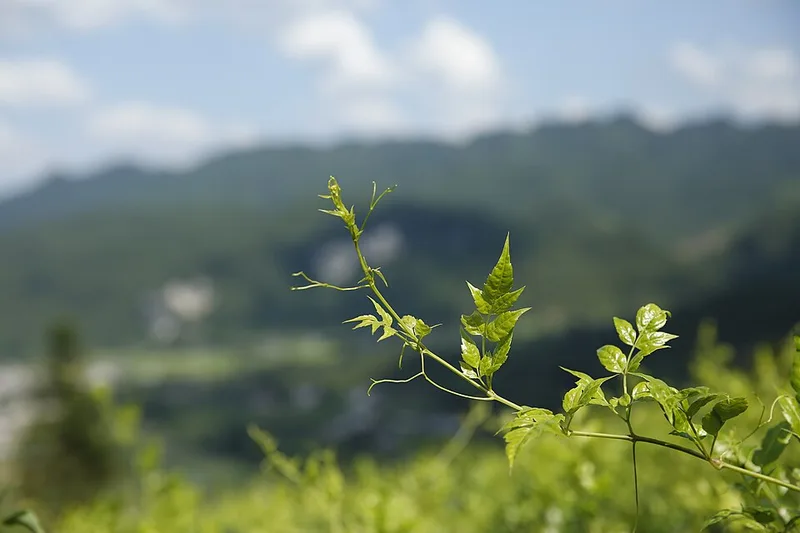
Vine Tea Extract (Dihydromyricetin)
Ampelopsis grossedentataDihydromyricetin 50–98% · Myricetin 70–98% · HPLCView product →
Black Tea Extract
Camellia sinensisTheaflavins / polyphenols — grade on enquiry (from the original product range)View product →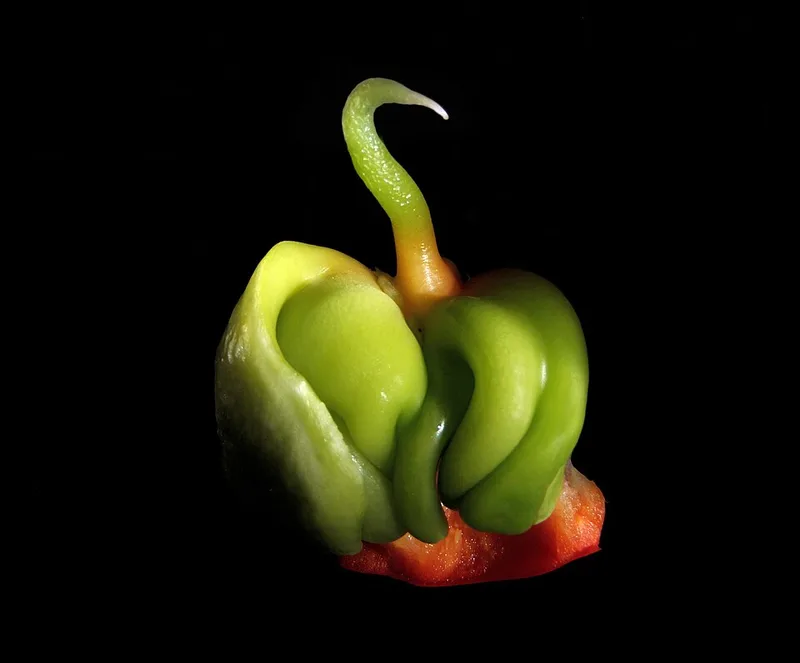
Capsicum Oleoresin
Capsicum annuumCapsaicin content — grade on enquiryView product →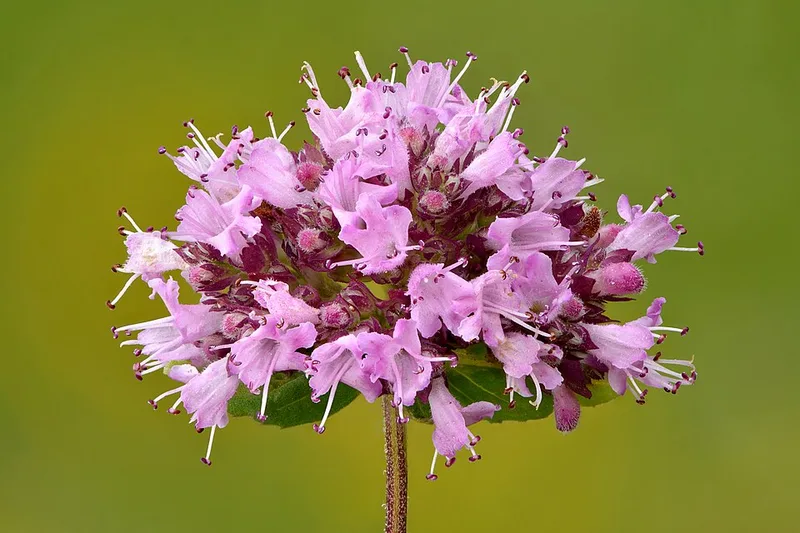
Oregano Extract
Origanum vulgare L.Carvacrol 10:1 · standardised grades on enquiryView product →Frequently asked questions
What is the difference between a standardised extract and a ratio extract?
A standardised extract guarantees a fixed marker content, such as ginkgo 24/6 or ginsenosides 80%. A ratio extract, such as 10:1, only describes how much raw material was used. Always ask for the marker result on the COA.
HPLC or UV — which assay should I ask for?
HPLC quantifies individual marker compounds; UV gives a total figure. For a standardised extract, ask for the HPLC profile so you can compare batches. State the method on your specification sheet.
What should I check on a botanical extract COA?
Identity, marker assay with the method named, loss on drying, heavy metals, pesticide residues, residual solvents and microbiology. For ginkgo, also check ginkgolic acids; for ginseng, check the pesticide panel on the COA.
Do you have water-soluble grades for beverages?
Yes for some extracts — a water-soluble 24/6 ginkgo grade is listed, and standard ginseng extract powder is water-soluble. For others, confirm the grade and format with sales before ordering.
What is the minimum order quantity, packaging and lead time?
To be confirmed — ask sales at info@famerise.com. Tell sales the extract, the marker grade, the quantity you need and your destination so they can confirm the MOQ, pack size and lead time.
Can I get a sample and a COA before ordering?
Yes — samples and batch COAs are available on request. Contact sales at info@famerise.com with the product name, the grade you need and your target application, and tell sales how much you need for your trial.
Sources:
- ScienceDirect — Qualitative categorization of supplement grade Ginkgo biloba leaf extracts for authenticity — Standardised ginkgo extract: 24% flavone glycosides, 6% terpene lactones, ginkgolic acids under 5 ppm; USP/CHP HPLC methods.
- USP — American Ginseng Capsules monograph (via DrugFuture) — Ginseng capsules stored in tight containers, protected from light, at controlled room temperature.
- HB Chemie — Curcumin Beyond 95% (formulation note) — Curcumin is poorly water-soluble and rapidly metabolised; piperine, phytosome, dispersion and micellar formats are used.
- Pharmaceutics 2025 review — Silymarin and Silybin — Silymarin has poor aqueous solubility; solid dispersions, cyclodextrin complexes and lipid carriers are used.
- Formula Chemistry — Green Tea Extract — Green tea extract is water-soluble, most stable at pH 4.0–5.5, added during cool-down below 40 °C, stored cool and dark.
Other categories
- Natural Sweeteners — Stevia, monk fruit, sweet tea, erythritol, allulose, inulin, NHDC and ready-to-use blends — high-intensity and bulk sweeteners for sugar-reduced food and beverage formulations.
- Antioxidants & Eye Health — Lutein and zeaxanthin, resveratrol, quercetin, lycopene, astaxanthin and berry extracts.
- Mushrooms & Immune — Reishi, shiitake, maitake, chaga and lion's mane (hericium) — fruiting-body extracts listed as the organic series in the company catalogue.
- Nutrition Ingredients — CoQ10, 5-HTP, fruit powders and juice concentrates, and functional nutrition actives from the original Fame Rise range.
Further reading
Our News & Blog article Reading a botanical extract COA: what buyers should check before ordering explains how to compare grades in this category on their assay, method and safety markers.