
Home / Products / Botanical Extracts / Centella Asiatica Extract
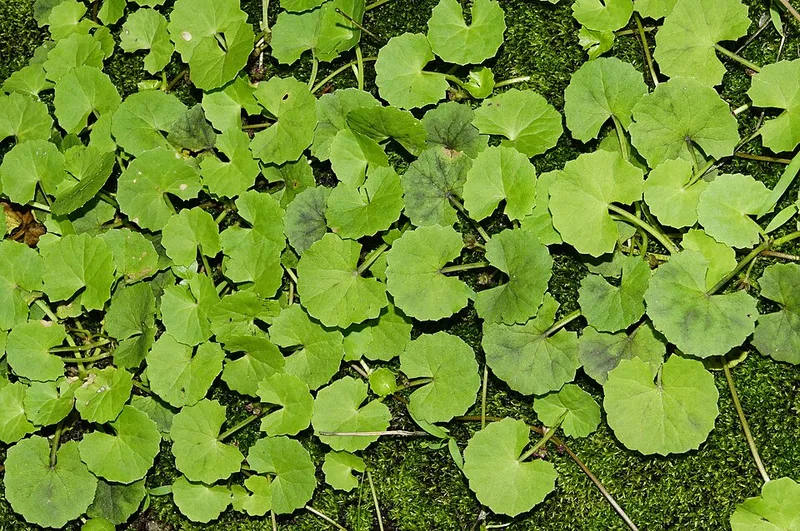
Photo: Wikimedia Commons by Vengolis (CC BY-SA 4.0)
Centella Asiatica Extract
Whole-herb extract standardised for triterpenes, used in both supplement and skin-care formulations.
At a glance: Whole-herb extract standardised for triterpenes, used in both supplement and skin-care formulations.
| Source | Centella asiatica |
|---|---|
| Part used | — |
| Form | Powder |
| Specification | Asiaticosides — grade on enquiry |
| Test method | HPLC |
Specification
| Product | Centella Asiatica Extract |
|---|---|
| Botanical / source name | Centella asiatica |
| CAS number | To be confirmed |
| Specification | Asiaticosides — grade on enquiry |
| Appearance | Fine powder — exact colour by grade; confirm on the COA |
| Form | Powder |
| Plant part / source | — |
| Solubility | Confirm solubility for the grade ordered — it varies by format |
| Test method | HPLC |
Grades & forms
Asiaticosides — grade on enquiry
Asiaticoside grades are on enquiry; commercial grades are commonly standardised to 10–95% total triterpenes (madecassoside plus asiaticoside) by HPLC.
How to use — formulation notes
Centella extract powder disperses readily in water-based systems and suits serums, toners, creams, gels and supplement capsules. The glycosides asiaticoside and madecassoside are water soluble, while the free acids (asiatic and madecassic acid) need a co-solvent such as propanediol, so check which triterpene profile your grade carries. Cosmetic use levels commonly quoted by suppliers are around 0.1–2% depending on product type; confirm the grade and use level for your application. Store the powder cool, dry and protected from light and moisture.
It is often compared with Ginseng Extract and Ginkgo Biloba Extract in the same Botanical Extracts range — see the related products below — and the Reading a botanical extract COA: what buyers should check before ordering guide in our News & Blog covers how buyers compare grades like this one.
Applications
- ✓Supplements
- ✓cosmetics
Typical uses are listed from the company catalogue. Confirm the grade, the permitted use level and the local rules for your target market before launch.
In the finished product
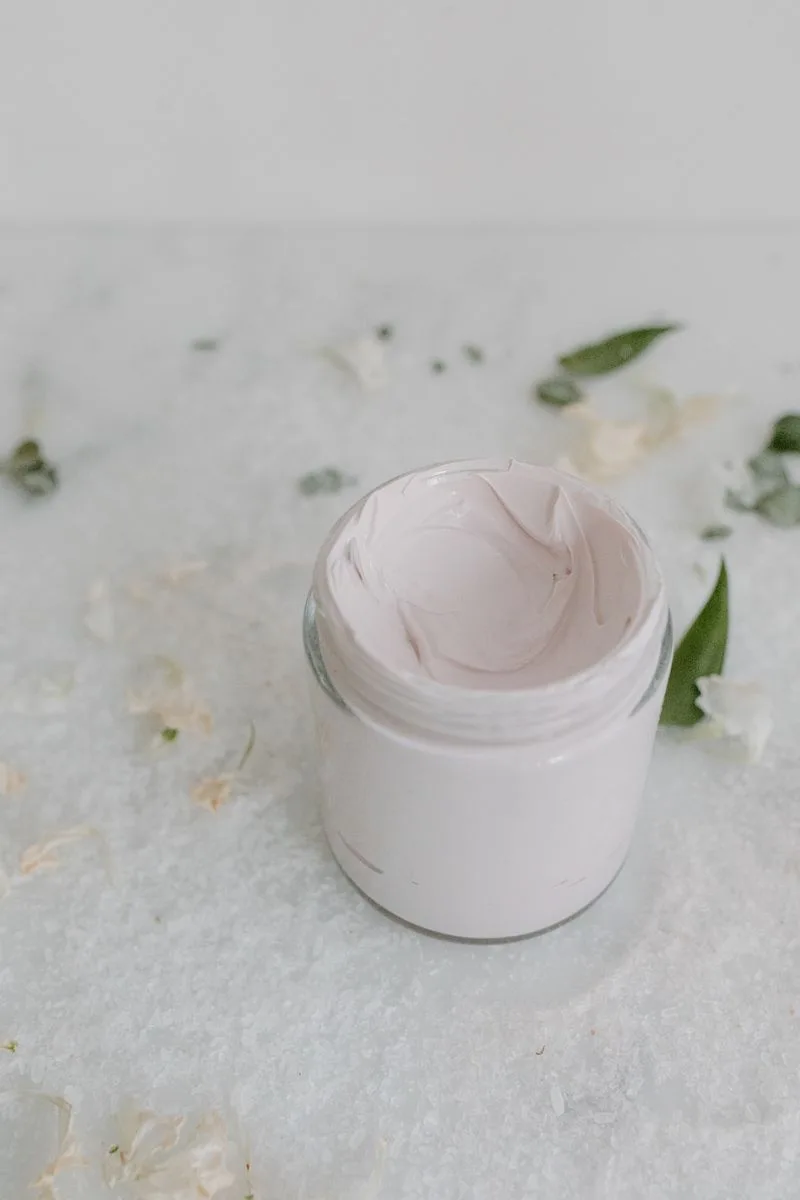
Open glass jar of pale pink skincare cream on marble with green leaves — a typical application for this ingredient.
- Certifications (ISO, Halal, Kosher, Organic, cGMP) — scope to be confirmed; not claimed on this site
- MOQ, packaging, lead time and price — To be confirmed; ask sales
- Loss on drying, heavy metals, pesticide residues and microbiological limits — confirm on the batch COA
Frequently asked questions
What grades are available?
See the specification table on this page. The headline grade is Asiaticosides — grade on enquiry. Other grades are available on enquiry — ask for the specification sheet for the grade you need.
How is the active content tested?
By HPLC where stated. The COA for each batch states the method and the result.
How should it be stored?
Store in a cool, dry place in sealed packaging, protected from light and moisture. Confirm the shelf life on the batch COA.
Can I get a COA and a sample?
Yes — batch COAs are available on request. Contact sales at info@famerise.com with the product name, the grade you need and your target application.
What is the minimum order quantity and packaging?
To be confirmed — ask sales at info@famerise.com. Tell us the grade you need, the quantity and the target application, and sales will confirm the MOQ, packaging, lead time and price for your order.
What is the shelf life?
Shelf life is confirmed on the batch COA. Store the powder sealed in a cool, dry place, protected from light and moisture; the dry powder has a longer shelf life and more consistent potency than a liquid extract.
What use level should I use in a cream or serum?
Supplier guides commonly quote around 0.1–2% in finished cosmetics, depending on product type — for example 1–2% in targeted serums and 0.1–0.5% in daily moisturisers. Confirm the grade and use level for your application.
Specification basis: PlantExtract.pdf (Fame Rise Corp sample). Figures are typical catalogue values; the batch COA is the binding document for the lot you receive.
Formulation notes — sources:
- KingHerbs Centella Asiatica Extract Powder in Cosmetics (standardised 10–95% madecassoside + asiaticoside; use levels 0.1–2% by product type) — https://www.kingherbs.com/knowledge/top-uses-of-centella-asiatica-extract-powder-in-cosmetics
- KingHerbs Centella Asiatica Extract Powder for OEM Skincare (glycoside grades suit clear aqueous serums; free-acid grades need a co-solvent such as propanediol) — https://www.kingherbs.com/knowledge/best-centella-asiatica-extract-powder-for-oem-skincare
Related products
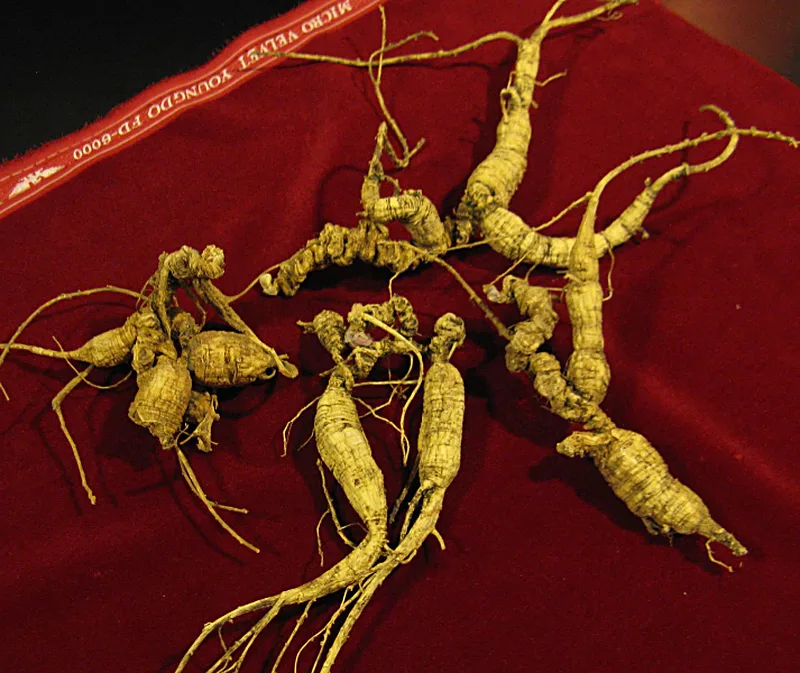
Ginseng Extract
Panax ginseng C. A. Mey.Ginsenosides 5–80% · Root / leaf & stem / American / red · Low-pesticide series availableView product →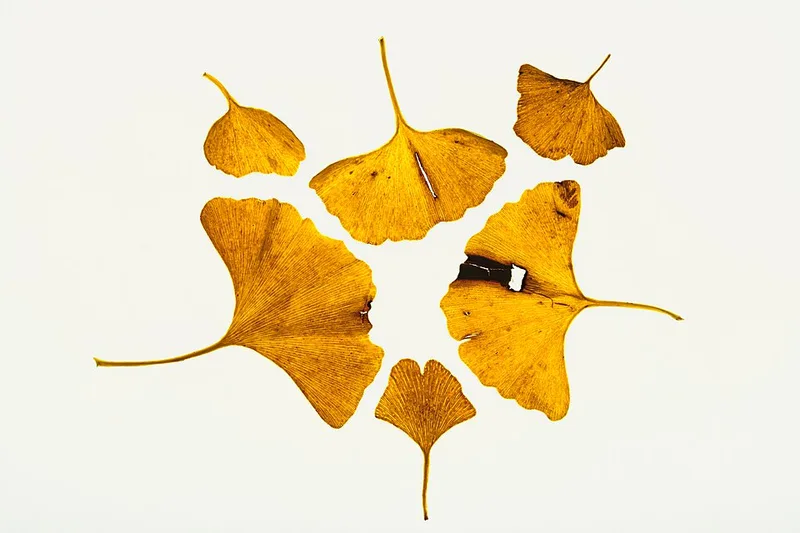
Ginkgo Biloba Extract
Ginkgo biloba L.24% flavones / 6% lactones · USP / CP / EP standard · Water-soluble gradeView product →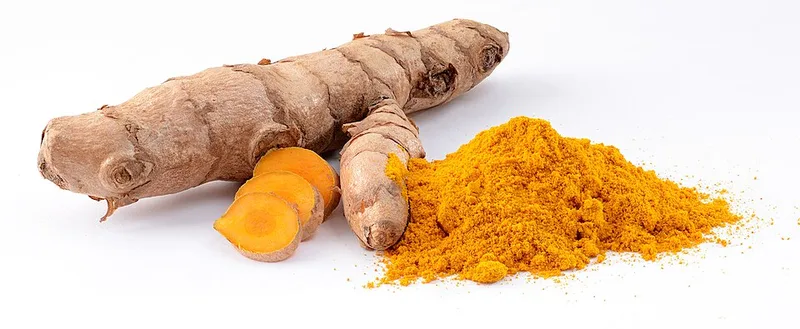
Turmeric Extract (Curcumin)
Curcuma longa L.Curcuminoids — grade on enquiryView product →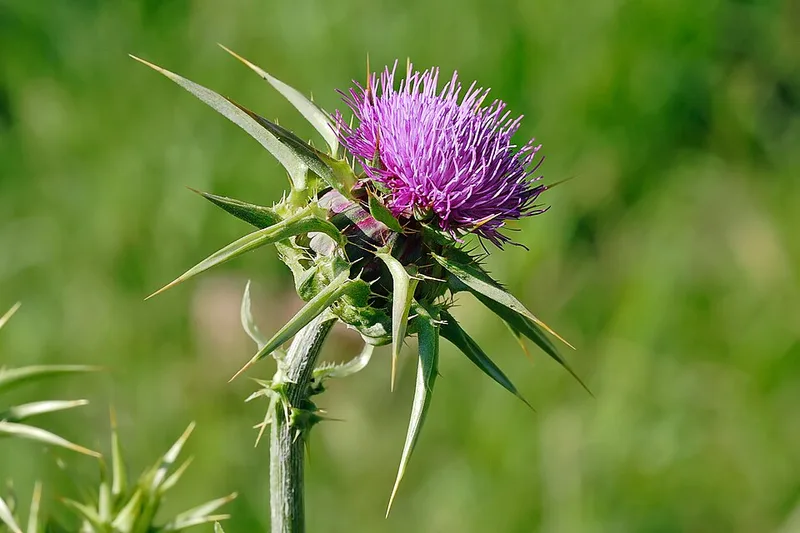
Milk Thistle Extract
Silybum marianum G.Silymarin 80% UV (silybins >30%) · Silymarin >50% HPLC · Silybin >95%View product →Further reading
See Reading a botanical extract COA: what buyers should check before ordering in our News & Blog — it links to this product and to the grades most often compared with it.