
Home / Products / Botanical Extracts / Ginseng Extract
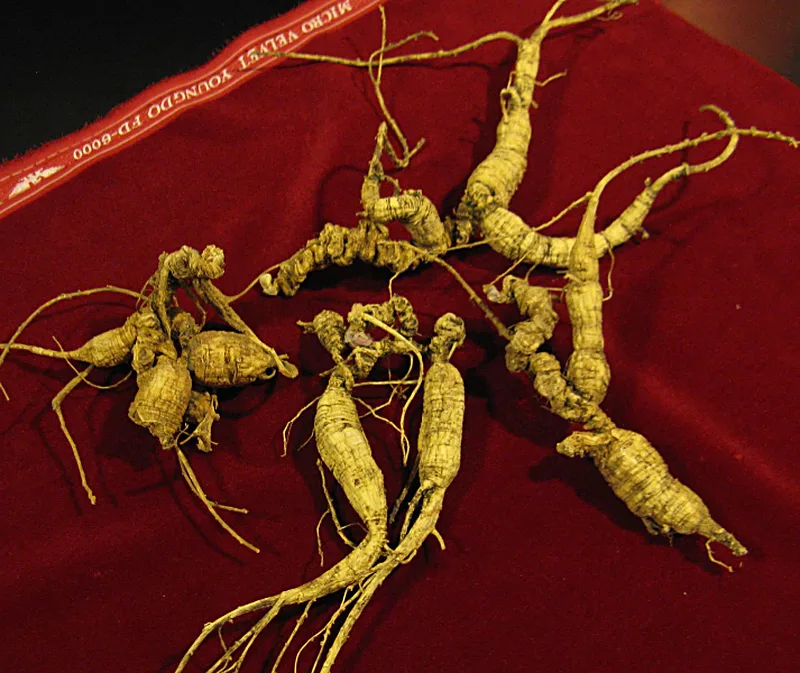
Photo: Wikimedia Commons by John Carl Jacobs (CC BY-SA 4.0)
Ginseng Extract
Root, leaf, American and red ginseng extracts, including a low-pesticide-residue series specified at <10 ppb per pesticide in the source catalogue.
At a glance: Root, leaf, American and red ginseng extracts, including a low-pesticide-residue series specified at <10 ppb per pesticide in the source catalogue.
| Source | Panax ginseng C. A. Mey. |
|---|---|
| Part used | Root; leaf and stem |
| Form | Powder |
| Specification | Ginsenosides 5–80% · Root / leaf & stem / American / red · Low-pesticide series available |
| Test method | HPLC / UV-VIS |
Specification
| Product | Ginseng Extract |
|---|---|
| Botanical / source name | Panax ginseng C. A. Mey. |
| CAS number | 90045-38-8 |
| Specification | Ginsenosides 5–80% · Root / leaf & stem / American / red · Low-pesticide series available |
| Appearance | Yellow to brown fine powder |
| Form | Powder |
| Plant part / source | Root; leaf and stem |
| Solubility | Water soluble (standard grades) |
| Test method | HPLC / UV-VIS |
Grades & forms
Ginsenosides 5–80% by HPLC/UV-VIS. Root, leaf and stem, American ginseng and red ginseng. Low-pesticide-residue series: each pesticide under 10 ppb (per the company sample).
Root, leaf and stem, American ginseng and red ginseng grades are available, standardised to 5–80% total ginsenosides by HPLC or UV; a low-pesticide-residue series is listed with each pesticide under 10 ppb.
How to use — formulation notes
Standard ginseng extract powder is water soluble and free-flowing, so it blends readily into hard capsules, tablets, effervescent powders and aqueous functional beverages without a separate solubiliser. The USP monograph for American ginseng capsules requires storage in tight containers protected from light at controlled room temperature, a good default for the whole class. Ginsenosides are assayed by HPLC, so state the method and the individual ginsenoside profile on the specification sheet. Confirm the grade and use level for your application, and check the pesticide panel on the batch COA.
It is often compared with Ginkgo Biloba Extract and Turmeric Extract (Curcumin) in the same Botanical Extracts range — see the related products below — and the Reading a botanical extract COA: what buyers should check before ordering guide in our News & Blog covers how buyers compare grades like this one.
Applications
- ✓Health foods & drinks
- ✓cosmetics
- ✓food additives
Typical uses are listed from the company catalogue. Confirm the grade, the permitted use level and the local rules for your target market before launch.
In the finished product
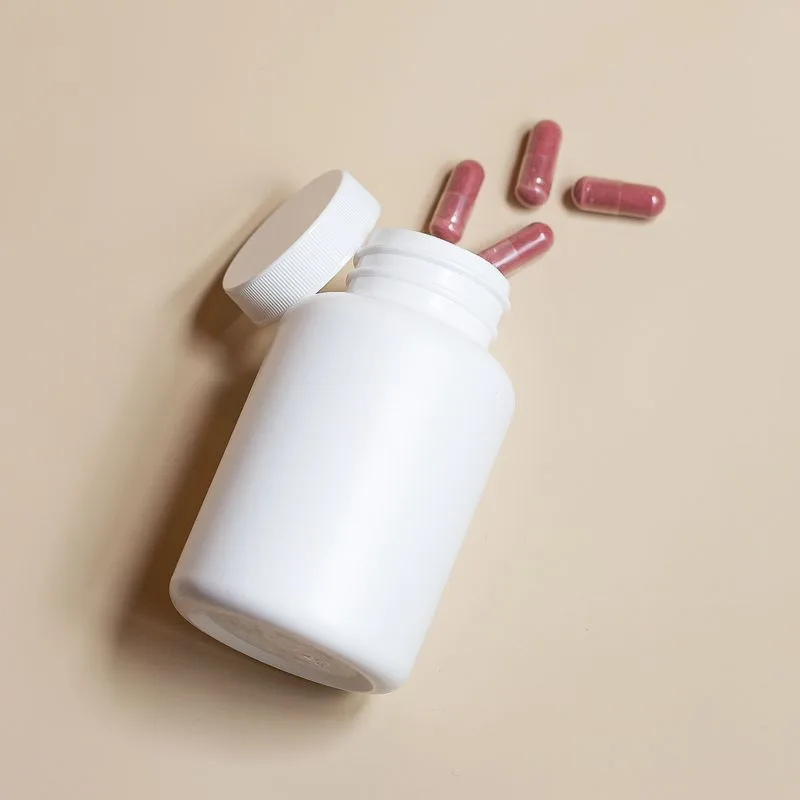
White supplement bottle with pink capsules spilled on a beige surface — a typical application for this ingredient.
- Certifications (ISO, Halal, Kosher, Organic, cGMP) — scope to be confirmed; not claimed on this site
- MOQ, packaging, lead time and price — To be confirmed; ask sales
- Loss on drying, heavy metals, pesticide residues and microbiological limits — confirm on the batch COA
Frequently asked questions
What is the CAS number for Panax ginseng extract?
The extract CAS commonly listed in public catalogues is 90045-38-8. Some suppliers list other CAS numbers for specific ginsenoside preparations, so confirm the CAS on the COA for the grade you order.
What is the low-pesticide-residue series?
A series in which each specified pesticide is under 10 ppb, covering pentachloroaniline, quintozene and procymidone among others. Ask for the pesticide panel on the COA.
HPLC or UV — which assay should I ask for?
HPLC quantifies individual ginsenosides; UV gives total ginsenosides. For a standardised extract, ask for the HPLC profile so you can compare batches.
Can I get a COA and a sample?
Yes — batch COAs are available on request. Contact sales at info@famerise.com with the product name, the grade you need and your target application.
What is the minimum order quantity and packaging?
To be confirmed — ask sales at info@famerise.com. Tell us the grade you need, the quantity and the target application, and sales will confirm the MOQ, packaging, lead time and price for your order.
How long is the shelf life, and how should it be stored?
Shelf life is confirmed on the batch COA. As a guide, the USP monograph for ginseng capsules requires storage in tight containers, protected from light, at controlled room temperature — keep the powder sealed, cool and dry, and away from moisture.
Can you make a custom ginsenoside grade?
Yes — custom grades within the 5–80% ginsenoside range can be quoted on enquiry. Tell sales the target assay, the HPLC or UV method you require and the application, and we will confirm whether the grade can be produced and what the lead time is.
Specification basis: Public catalogue cross-check 2026-11-24 — Panax ginseng extract CAS 90045-38-8, ginsenosides 5–80% (HPLC/UV); PlantExtract.pdf — Ginseng Extract. Figures are typical catalogue values; the batch COA is the binding document for the lot you receive.
Formulation notes — sources:
- USP American Ginseng Capsules monograph (storage in tight containers, protected from light, controlled room temperature) — https://www.drugfuture.com/pharmacopoeia/usp32/pub/data/v32270/usp32nf27s0_m34996.html
- SV Botanica Panax Ginseng Extract (water-soluble powder for capsules, tablets and aqueous beverages) — https://www.svbotanica.com/herbal-extracts/ginseng-extract-panax-ginseng
Related products
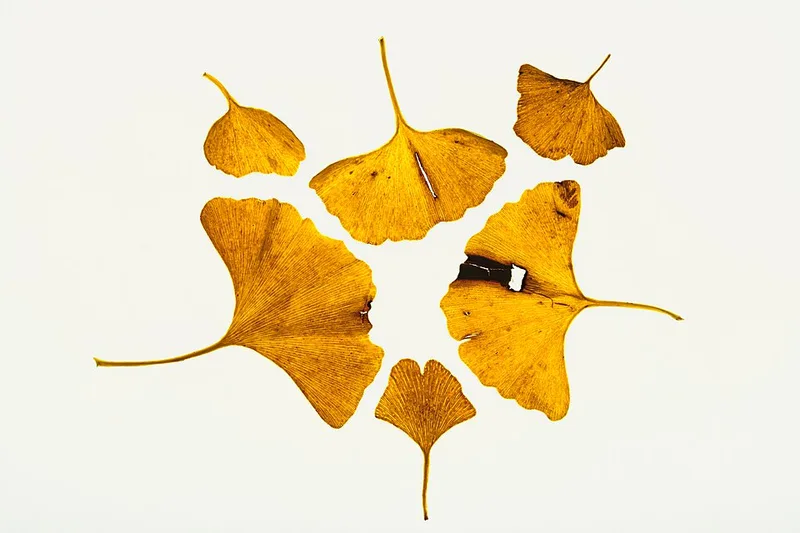
Ginkgo Biloba Extract
Ginkgo biloba L.24% flavones / 6% lactones · USP / CP / EP standard · Water-soluble gradeView product →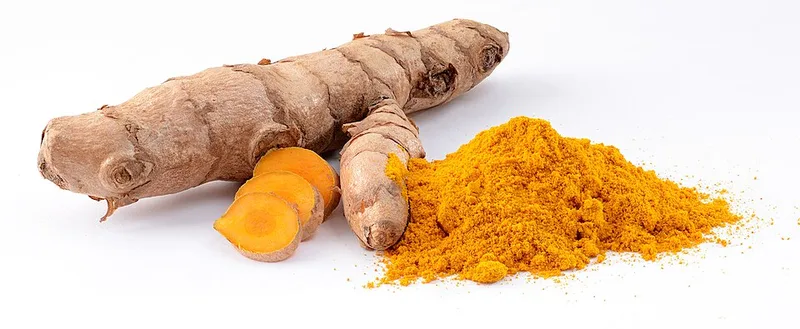
Turmeric Extract (Curcumin)
Curcuma longa L.Curcuminoids — grade on enquiryView product →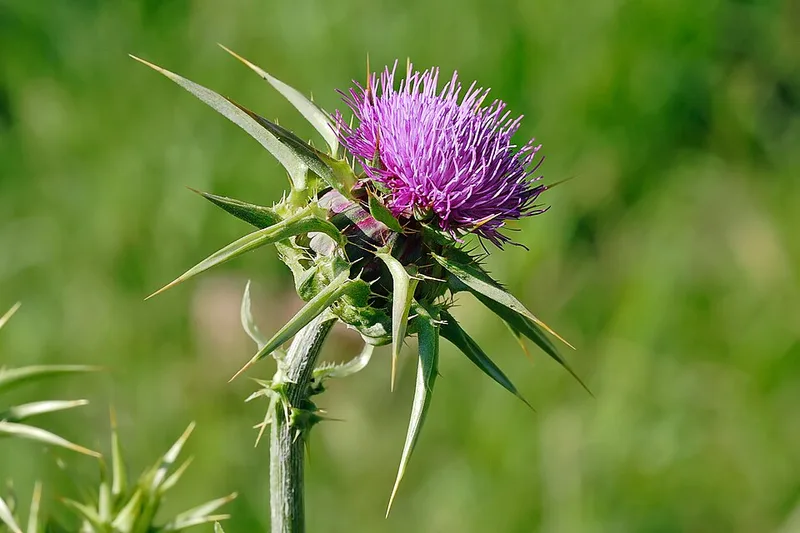
Milk Thistle Extract
Silybum marianum G.Silymarin 80% UV (silybins >30%) · Silymarin >50% HPLC · Silybin >95%View product →
Green Tea Extract
Camellia sinensisTea polyphenols / EGCG — grade on enquiryView product →Further reading
See Reading a botanical extract COA: what buyers should check before ordering in our News & Blog — it links to this product and to the grades most often compared with it.