
Home / Products / Natural Sweeteners
Natural Sweeteners
High-intensity sweeteners that replace sugar at a fraction of the dose, and bulk sweeteners that restore body and mouthfeel. Every grade is quoted with its sweetness factor, assay method and typical applications, so a formulator can compare grades on one page.
8 products in this category
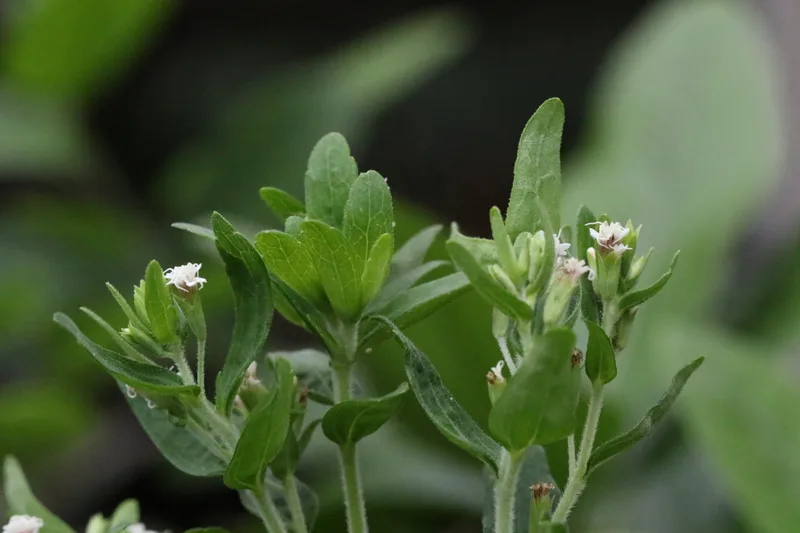
Natural sweeteners are the ingredients buyers use when a product needs to taste sweet with less sugar: this category covers eight of them — high-intensity sweeteners (stevia leaf extract, monk fruit extract, sweet tea extract and NHDC), bulk sweeteners that restore body and mouthfeel (erythritol, D-allulose and inulin), and ready-to-use Natural Sweetener Blends (OEM) that combine the two. The first question for any buyer is not which sweetener is 'best' in general, but which one fits the application: a clear beverage, a baked good, a tabletop pack and a protein bar each put different demands on sweetness, bulk, browning, solubility and taste. High-intensity sweeteners replace sugar at a fraction of the dose — steviol glycosides are approximately 200 to 300 times sweeter than sucrose, and monk fruit Mogroside V grades run from about 80 times sugar at 20% to about 380 times at 95% — so they give sweetness without bulk, and a bulk ingredient is usually needed alongside them. That is why erythritol, at 60 to 70% of the sweetness of sucrose, is the standard bulking partner for stevia and monk fruit, and why the 1x, 2x and 3x blends in this range are built to measure like sugar by volume. D-allulose is different again: at about 70% of the sweetness of sucrose it supplies sugar-like bulk and takes part in Maillard browning, which matters in baking, while inulin, at about 30% of the sweetness of sucrose, is used mainly as a soluble fibre that adds body. NHDC is a specialist tool rather than a main sweetener: at 1,500 to 1,800 times sweeter than sugar at threshold concentrations it is used in very small doses as a flavour modifier to mask bitter notes and round a sweetener system. Regulatory status is the second question, and it differs by market and by ingredient, so it must be checked for the target market before launch. High-purity steviol glycosides are permitted in the EU as E 960 with an acceptable daily intake of 4 mg/kg body weight per day expressed as steviol equivalents, and JECFA specifications require not less than 95% total steviol glycosides. Monk fruit extract has been reviewed by the US FDA under GRAS Notice 706, but it is not authorised as a food additive in the EU. In the US, FDA guidance excludes allulose from total and added sugars on the Nutrition Facts label and uses 0.4 kcal/g for its calories, while allulose is not approved in the EU or Canada. NHDC is approved in the EU as E 959, and the FDA issued a no-objection letter to its GRAS use as a sweetener at 10 to 1000 ppm in various food categories. Every product page in this category states the grade, the assay method and the typical applications, and batch COAs are available on request. Certifications, minimum order quantity, packaging, lead time and price are not stated on this site: To be confirmed — ask sales at info@famerise.com.
Choosing the right grade
Start from the finished product, not the ingredient. First, decide how much sweetness you need and whether you also need bulk: a drink can use a high-intensity sweetener alone, but a baked good or a tabletop pack usually needs a bulk carrier such as erythritol, allulose or a ready-made blend, or the recipe will lose volume and texture. Second, check the taste in your own base — stevia grades differ in aftertaste (higher-purity Reb A 95–99%, Reb D and Reb M are the cleanest-tasting grades in this range), monk fruit gets cleaner as Mogroside V rises, and a small dose of NHDC can mask bitter notes in a stevia system, so trial two or three grades side by side rather than choosing from a sweetness number alone. Third, check the process: steviol glycosides are stable under normal food-processing temperatures and do not brown, erythritol does not take part in Maillard browning so baked goods stay pale, and allulose does brown, which is an advantage where colour and aroma are wanted. Fourth, confirm the regulatory position and the permitted use level for your market and product category before launch, because stevia, monk fruit, allulose and NHDC are not approved in the same markets. Finally, confirm the grade, assay method and COA limits on the specification sheet for the exact grade you order — sweetness multiples are guides for formulation, and the batch COA is the document that defines what you receive.
| Ingredient | Sweetness vs sucrose | Supplies bulk? | Best for | Watch out for |
|---|---|---|---|---|
| Stevia leaf extract | 200–400x (standard grades); glucosyl grades 100–150x | No | Beverages, dairy, confectionery, tabletop blends | Aftertaste varies by grade; trial Reb A, Reb D and Reb M |
| Monk fruit extract | ~80x at Mogroside V 20% to ~380x at 95% | No | Beverages, dairy, confectionery, sweetener blends | Not authorised as a food additive in the EU |
| Sweet tea extract (rubusoside) | 140–200x | No | Beverages and foods; flavour enhancement | Regulatory status varies by market — check before launch |
| Erythritol | 60–70% | Yes | Baking, chocolate, confectionery, tabletop | No Maillard browning; cooling note in some uses |
| D-allulose | ~70% | Yes | Baked goods, dairy, ice cream, beverages | Not approved in the EU or Canada; US labelling rules differ |
| Inulin | ~30% | Yes — as soluble fibre | Prebiotic foods, bakery, low-fat creams, drinks | Main function is fibre/body, not sweetness |
| NHDC | 1,500–1,800x at threshold | No | Bitter masking and flavour correction at very low dose | Use levels are set by local rules; dose in ppm |
| Sweetener blends (OEM) | 1x, 2x or 3x sugar | Yes | Baking, beverages, dairy, tabletop — sugar-like measure | Confirm white vs golden and the blend composition per order |
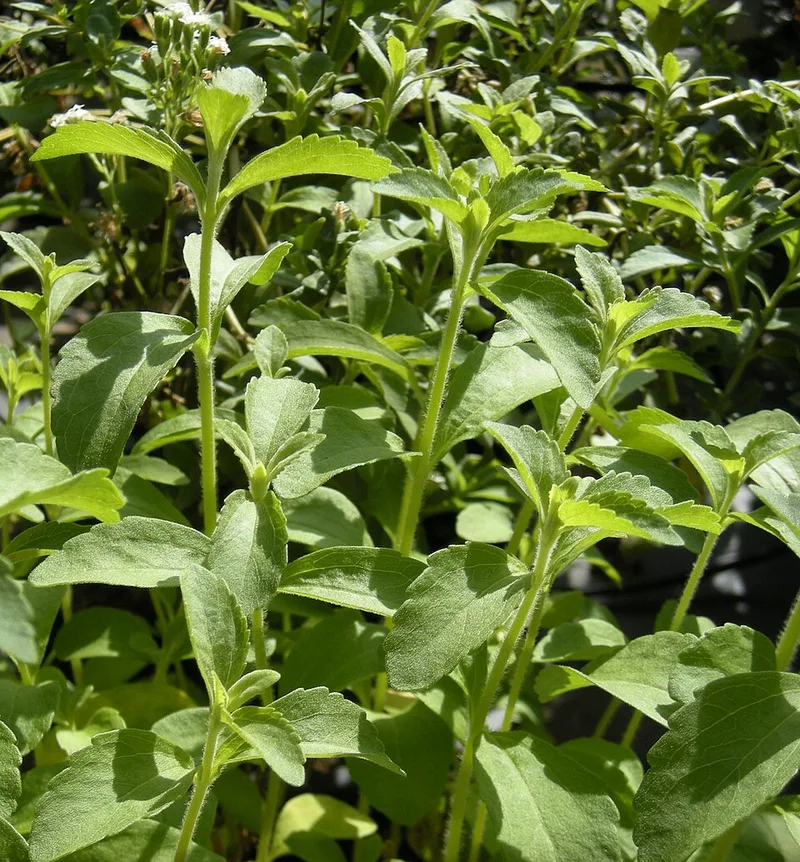
Stevia Leaf Extract
Stevia rebaudiana (Bertoni) HemslSteviol glycosides 80–99% · Reb A 40–99% · Reb D/M 95% · HPLCView product →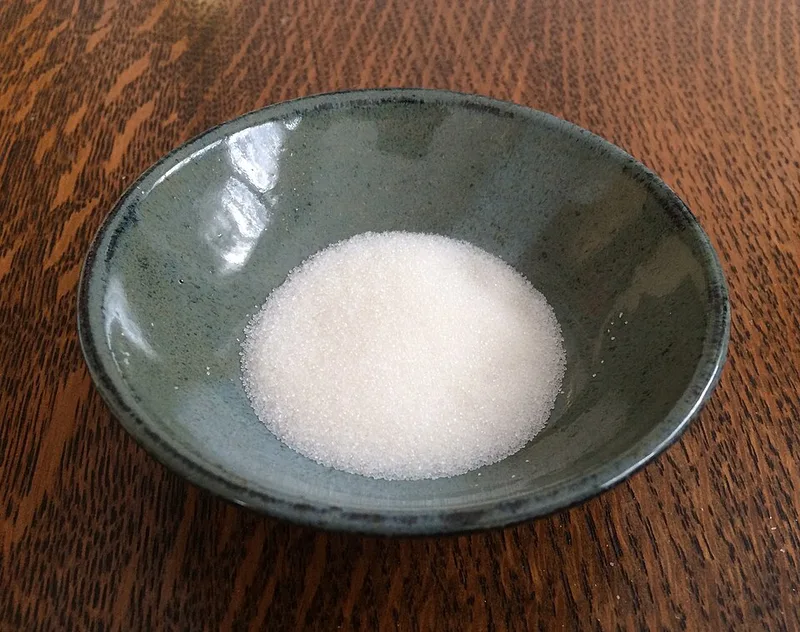
Monk Fruit Extract
Siraitia grosvenoriiMogroside V 20–95% · Juice concentrate 65 BrixView product →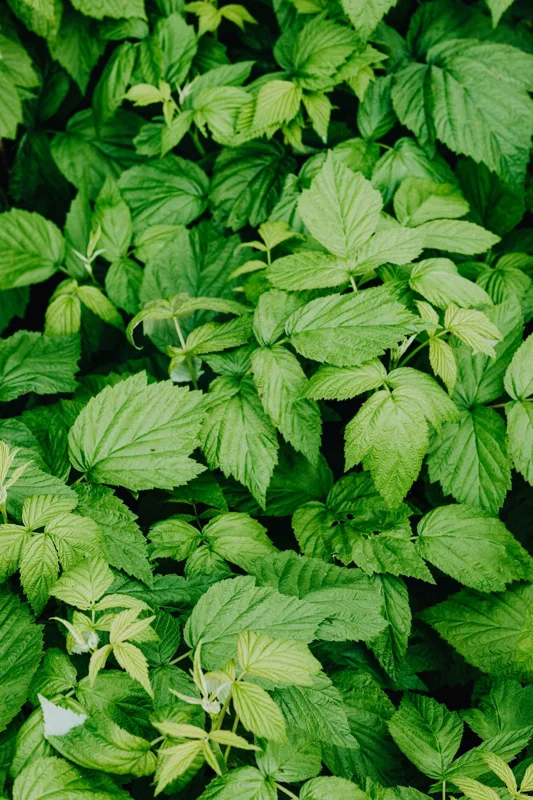
Sweet Tea Extract (Rubusoside)
Rubus suavissimus S. LeeRubusoside 70–98% · Polyphenols 20% · HPLCView product →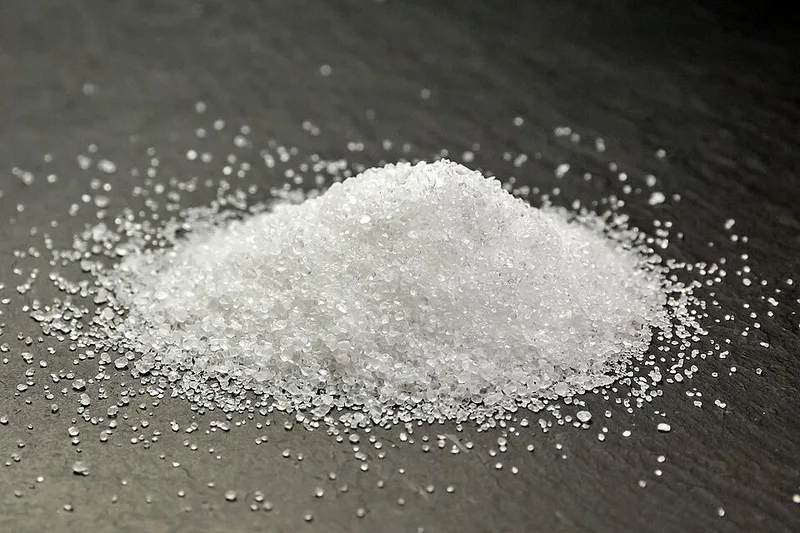
Erythritol
— (fermentation-derived polyol)Powder & granule · 60–70% sweetness of sucroseView product →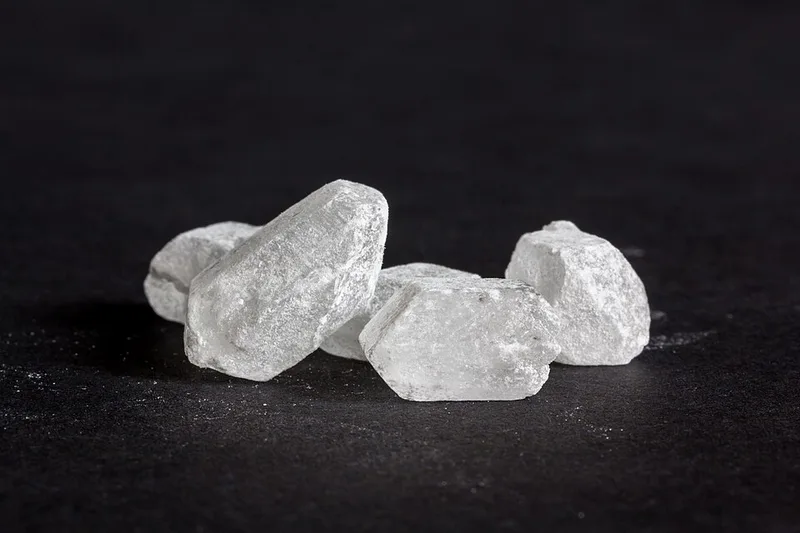
D-Allulose
— (rare sugar)Powder · Sweetness ~70% of sucrose · Sucrose-like taste, not metabolised as sugarView product →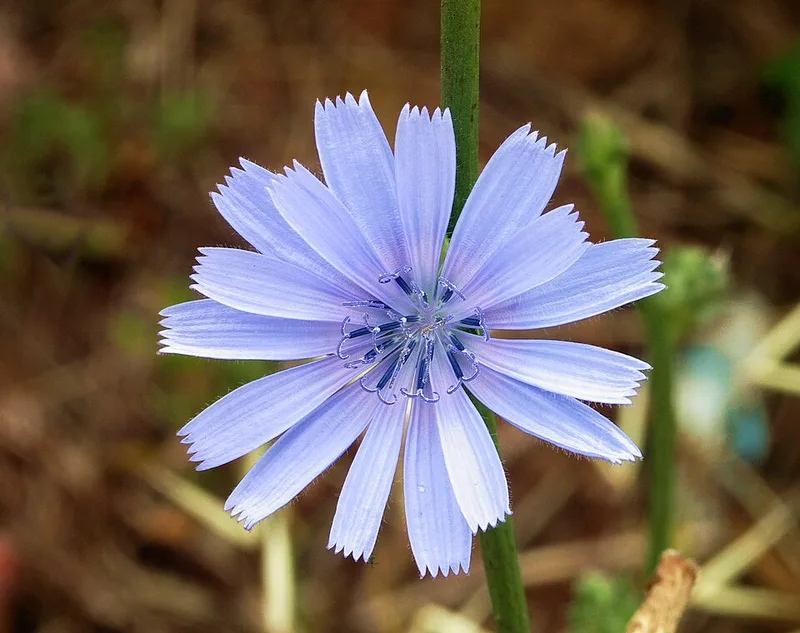
Inulin
Chicory root / Jerusalem artichokeMin. 90% · Natural soluble fructan fibreView product →
NHDC (Neohesperidin Dihydrochalcone)
Citrus L.96–98% · 1,500–1,800× sugar at thresholdView product →
Natural Sweetener Blends (OEM)
Monk fruit / stevia + erythritol systems1× · 2× · 3× sugar sweetness · White or golden · Retail packs 1–5 lb on OEMView product →Frequently asked questions
Which sweetener should I use for a clear beverage?
Start with stevia or monk fruit: both are fully water-soluble and stable in acidic systems. Trial two grades in your own base — for example Reb A 95% and Mogroside V 50% — and compare dose, taste and cost before choosing.
Can a blend replace sugar 1:1 in baking?
Yes — the 1x monk fruit and erythritol blends in this category are made to replace sugar spoon-for-spoon in the target application. Tell sales the application and whether the blend must be white or golden.
Why do sweetness figures for the same ingredient differ between suppliers?
Sweetness is measured by sensory panels, and the result depends on concentration, temperature, pH and the food base. Treat the figures on this site as formulation guides and confirm the grade with your own sensory panel.
Is monk fruit approved in the EU?
No — monk fruit extract is not authorised as a food additive in the EU, although it has been reviewed by the US FDA under GRAS Notice 706. Check the rules for your target market and product category before launch.
What is the minimum order quantity, packaging and lead time?
To be confirmed — ask sales at info@famerise.com. Tell sales the ingredient, the grade, the quantity you need and your destination so they can confirm the MOQ, pack size and lead time for your order.
Can I get a sample and a COA before ordering?
Yes — samples and batch COAs are available on request. Contact sales at info@famerise.com with the product name, the grade you need and your target application, and tell sales how much you need for your trial.
Sources:
- EFSA Journal 2020 — Safety of a proposed amendment of the specifications for steviol glycosides (E 960) — ADI of 4 mg/kg bw/day expressed as steviol equivalents; specifications require not less than 95% total steviol glycosides.
- FDA — Agency Response Letter, GRAS Notice No. GRN 000706, Siraitia grosvenorii (Luo Han Guo) fruit extract — FDA reviewed monk fruit (Luo Han Guo) fruit extract as a GRAS tabletop and general-purpose sweetener.
- FDA — Guidance for Industry: The Declaration of Allulose and Calories from Allulose on Nutrition and Supplement Facts Labels — FDA exercises enforcement discretion for excluding allulose from Total Sugars and Added Sugars, using 0.4 kcal/g for calories.
- FDA — GRAS Notice (GRN) No. 1029, D-allulose (D-psicose) — D-allulose reviewed as GRAS; about 70% as sweet as sucrose.
- FDA — Agency Response Letter, GRAS Notice No. GRN 000789, erythritol — Erythritol reviewed as GRAS for uses including beverages, dairy, baked goods and confectionery.
- Neohesperidin dihydrochalcone — summary of E959 status and FDA GRAS no-objection — NHDC is 1,500–1,800x sucrose at threshold, approved in the EU as E959, FDA GRAS no-objection at 10–1000 ppm.
- Chinese sweet tea (Rubus suavissimus) — rubusoside sweetness — Rubusoside from Rubus suavissimus is about 200 times as sweet as sucrose.
Other categories
- Botanical Extracts — Ginseng, ginkgo, turmeric, milk thistle, green tea and classic plant extracts, standardised on a named active marker.
- Antioxidants & Eye Health — Lutein and zeaxanthin, resveratrol, quercetin, lycopene, astaxanthin and berry extracts.
- Mushrooms & Immune — Reishi, shiitake, maitake, chaga and lion's mane (hericium) — fruiting-body extracts listed as the organic series in the company catalogue.
- Nutrition Ingredients — CoQ10, 5-HTP, fruit powders and juice concentrates, and functional nutrition actives from the original Fame Rise range.
Further reading
Our News & Blog article Reading a botanical extract COA: what buyers should check before ordering explains how to compare grades in this category on their assay, method and safety markers.