
Home / Products / Natural Sweeteners / Stevia Leaf Extract
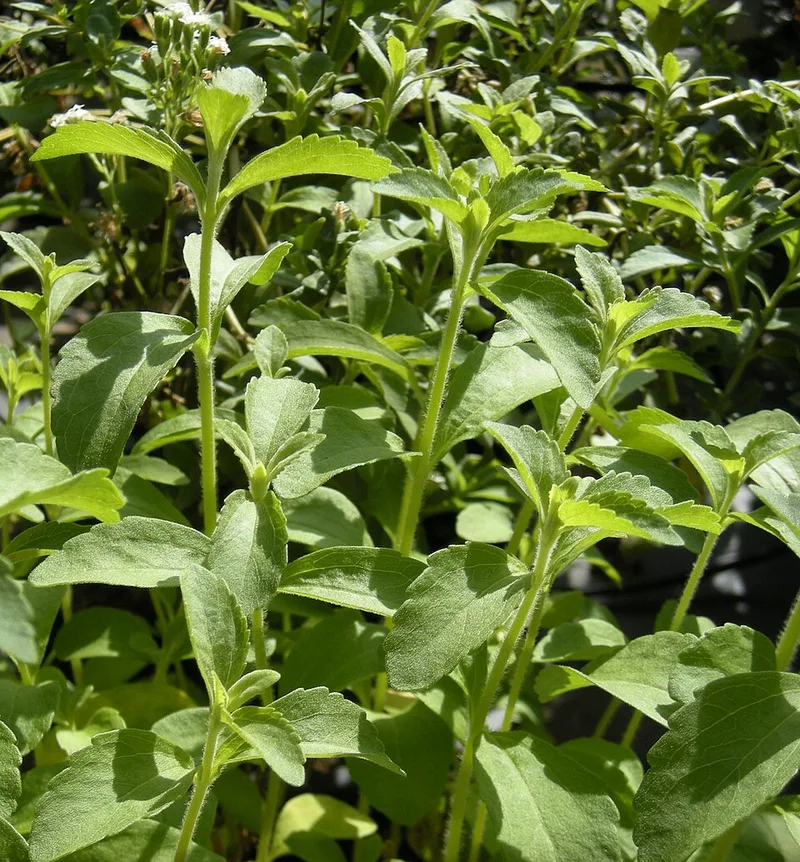
Photo: Wikimedia Commons by Ethel Aardvark (CC BY 3.0)
Stevia Leaf Extract
Zero-calorie sweetener 200–400× sweeter than sugar for standard grades (glucosyl grades 100–150×), for beverages, dairy, confectionery and tabletop blends.
At a glance: Zero-calorie sweetener 200–400× sweeter than sugar for standard grades (glucosyl grades 100–150×), for beverages, dairy, confectionery and tabletop blends.
| Source | Stevia rebaudiana (Bertoni) Hemsl |
|---|---|
| Part used | Leaf |
| Form | Powder |
| Specification | Steviol glycosides 80–99% · Reb A 40–99% · Reb D/M 95% · HPLC |
| Test method | HPLC |
Specification
| Product | Stevia Leaf Extract |
|---|---|
| Botanical / source name | Stevia rebaudiana (Bertoni) Hemsl |
| CAS number | 57817-89-7 (stevioside) · 58543-16-1 (rebaudioside A) |
| Specification | Steviol glycosides 80–99% · Reb A 40–99% · Reb D/M 95% · HPLC |
| Appearance | White to light-yellow fine powder |
| Form | Powder |
| Plant part / source | Leaf |
| Solubility | Soluble in water; stable in acidic and alkaline food systems |
| Test method | HPLC |
Grades & forms
Steviol glycosides 80–99%; Reb A 40–99%; Reb D 95%; Reb M 95%; glucosyl stevioside grades (EMS-01/02/03) 100–150×. JECFA specification: not less than 95% total steviol glycosides on the dried basis; loss on drying not more than 6%; total ash not more than 1%.
Steviol glycosides 80–99%, Reb A 40–99%, Reb D and Reb M 95%, plus glucosyl stevioside grades at 100–150× sweetness; JECFA requires not less than 95% total steviol glycosides on the dried basis.
How to use — formulation notes
Steviol glycosides dissolve freely in water and, according to JECFA, are sufficiently thermally and hydrolytically stable for foods including acidic beverages under normal processing and storage. Use the powder in beverages, dairy, confectionery, tabletop blends and solid drinks, dissolving it fully before adding acid or heat-sensitive ingredients. Blend with erythritol or monk fruit to restore bulk and round the taste, and trial Reb A, Reb D and Reb M grades side by side, since sweetness and aftertaste vary by grade and base. Confirm the use level for your target market/category. Store sealed, cool and dry.
It is often compared with Monk Fruit Extract and Sweet Tea Extract (Rubusoside) in the same Natural Sweeteners range — see the related products below — and the How to formulate with stevia: choosing Reb A, Reb M and glucosyl grades guide in our News & Blog covers how buyers compare grades like this one.
Applications
- ✓Beverages
- ✓candy & pastry
- ✓solid drinks
- ✓dairy
- ✓sauces
- ✓tabletop sweeteners
- ✓cosmetics
Typical uses are listed from the company catalogue. Confirm the grade, the permitted use level and the local rules for your target market before launch.
In the finished product
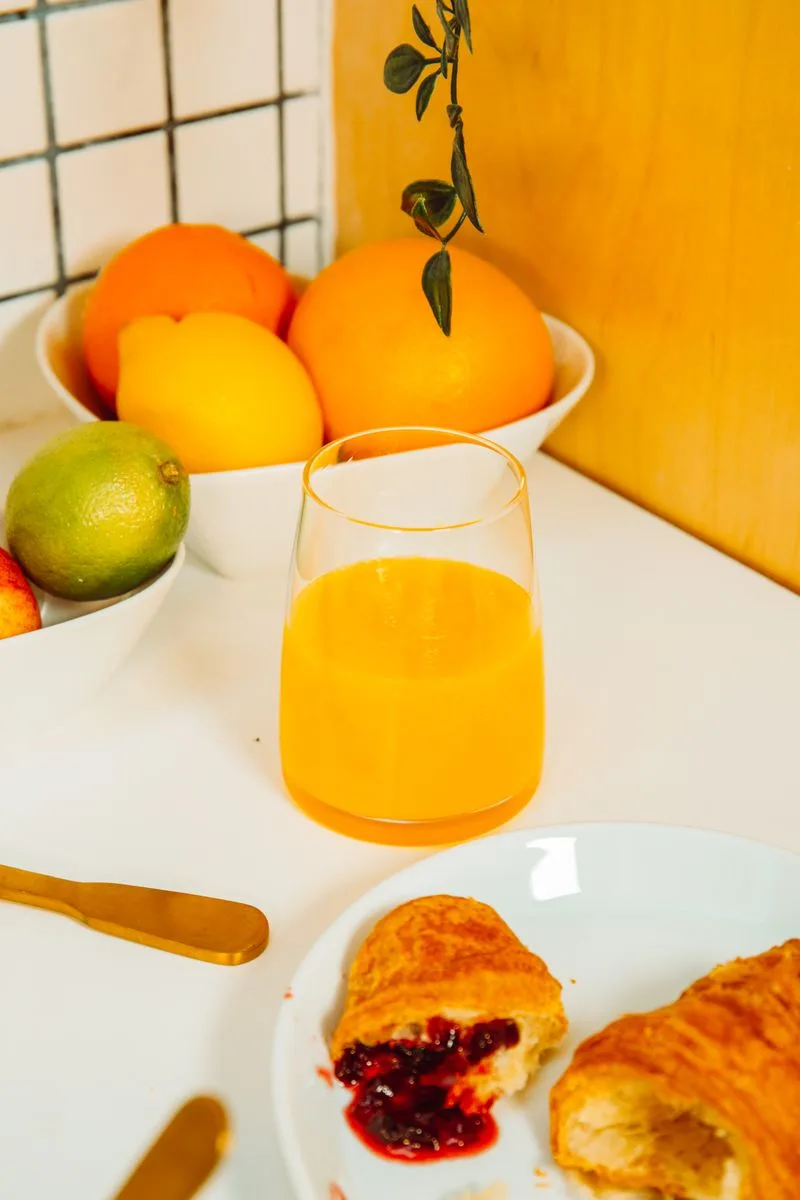
Glass of fresh orange juice with oranges, lime and a croissant on a breakfast table — a typical application for this ingredient.
- Certifications (ISO, Halal, Kosher, Organic, cGMP) — scope to be confirmed; not claimed on this site
- MOQ, packaging, lead time and price — To be confirmed; ask sales
- Loss on drying, heavy metals, pesticide residues and microbiological limits — confirm on the batch COA
Frequently asked questions
Which stevia grade tastes least bitter?
Higher-purity Reb A (95–99%), Reb D and Reb M grades have the cleanest taste profile. Glucosyl stevioside can also reduce the bitter aftertaste of stevioside and improve water solubility. Ask for a sample of two or three grades and compare them in your own base — taste varies with the application.
Is stevia heat stable?
Steviol glycosides are stable under the temperatures used in food processing and do not brown or caramelise on heating. Confirm the grade in your own process, as pH and other ingredients affect the finished taste.
What is the regulatory status?
High-purity steviol glycosides are permitted as a sweetener in the EU (E 960), the US (GRAS for high-purity grades), China and many other markets, with use levels set by local rules. Check the rules for your target market and product category before launch.
Can I get a COA and a sample?
Yes — batch COAs are available on request. Contact sales at info@famerise.com with the product name, the grade you need and your target application.
What is the minimum order quantity, and how is stevia packed?
To be confirmed — ask sales at info@famerise.com. Tell sales the grade, the quantity you need and your destination so they can confirm the MOQ, pack size and lead time for your order; no MOQ, pack size or lead time is stated on this page.
Can you supply a custom stevia grade or a stevia blend for my product?
Yes, in principle — tell sales the target application, the sweetness and taste profile you need, and whether you want a single grade or a blend with erythritol or monk fruit. The exact grade, specification and availability are confirmed per order; confirm the use level for your target market/category.
How should stevia leaf extract be stored, and what is its shelf life?
Store the powder sealed in a cool, dry place, protected from light and moisture, and keep the bag closed between uses to prevent caking. Shelf life is confirmed on the batch COA — ask sales at info@famerise.com for the shelf life of the grade you order.
Specification basis: FAO JECFA Monograph 4 (2007) — steviol glycosides, CAS 57817-89-7 / 58543-16-1, assay ≥95%; PlantExtract.pdf (Fame Rise Corp sample) — grades and sweetness table. Figures are typical catalogue values; the batch COA is the binding document for the lot you receive.
Formulation notes — sources:
- FAO JECFA Chemical and Technical Assessment, Steviol Glycosides (69th JECFA, 2008) — https://openknowledge.fao.org/server/api/core/bitstreams/0336fea3-bec2-4c6d-b5e9-0e201c9b6872/content
- FAO JECFA Monograph 19 (82nd JECFA, 2016), Steviol Glycosides from Stevia rebaudiana Bertoni — https://openknowledge.fao.org/server/api/core/bitstreams/7e90230e-1e9c-4e76-9c2a-cc2af8ca97ed/content
- EFSA scientific opinion on steviol glycosides (E 960), ADI 4 mg/kg bw/day — https://doaj.org/article/47eeea97fa7d4116a3c147c3f052c087
Related products
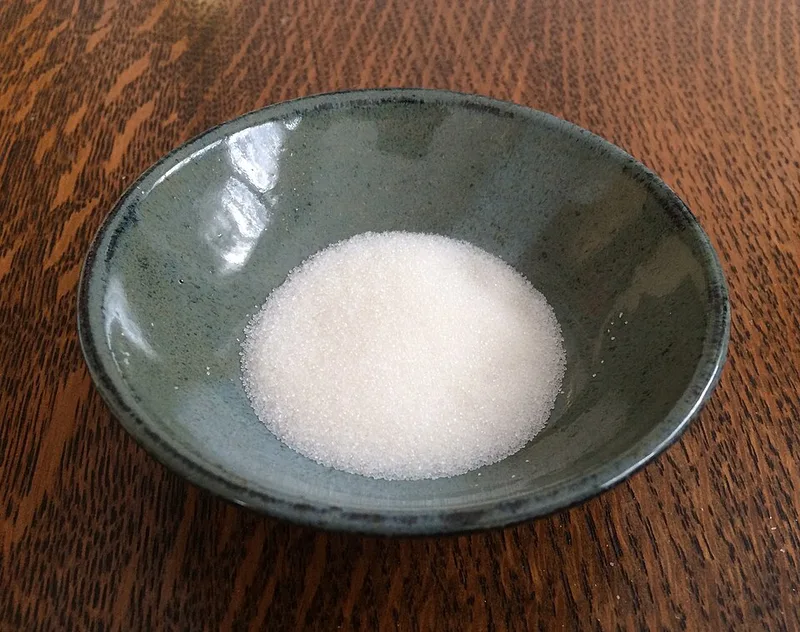
Monk Fruit Extract
Siraitia grosvenoriiMogroside V 20–95% · Juice concentrate 65 BrixView product →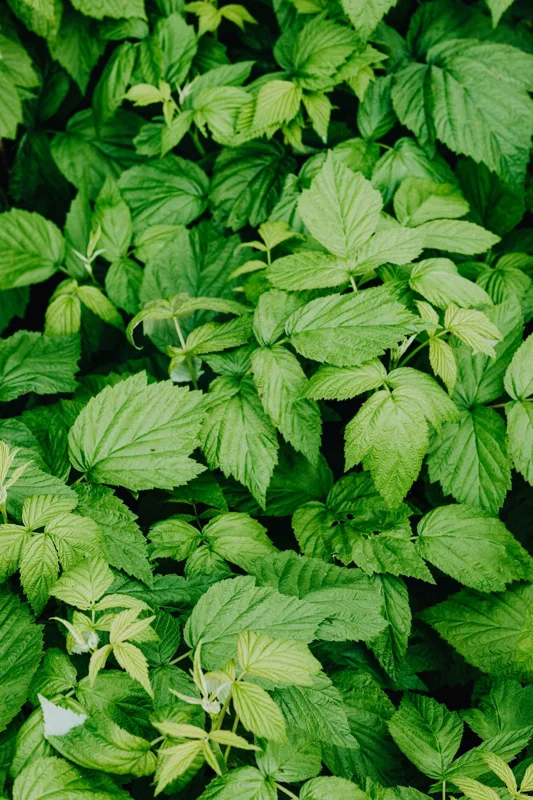
Sweet Tea Extract (Rubusoside)
Rubus suavissimus S. LeeRubusoside 70–98% · Polyphenols 20% · HPLCView product →
Erythritol
— (fermentation-derived polyol)Powder & granule · 60–70% sweetness of sucroseView product →
D-Allulose
— (rare sugar)Powder · Sweetness ~70% of sucrose · Sucrose-like taste, not metabolised as sugarView product →Further reading
See How to formulate with stevia: choosing Reb A, Reb M and glucosyl grades in our News & Blog — it links to this product and to the grades most often compared with it.