Home / News & Blog / How to formulate with stevia: choosing Reb A, Reb M and glucosyl grades
How to formulate with stevia: choosing Reb A, Reb M and glucosyl grades
2026-11-24 · Fame Rise Biotech Inc. · info@famerise.com
Key takeaways:
- Stevia is a family of glycosides, not one ingredient: stevioside, Reb A, Reb D, Reb M and glucosyl stevioside differ in sweetness, taste and solubility, so the grade — not the dose — usually decides the finished taste.
- Reb A 95–99% is the workhorse for beverages and tabletop use at about 200–300× sugar; Reb D and Reb M at 95% taste cleaner, with less bitter, liquorice-like aftertaste.
- Glucosyl stevioside (100–150× sugar) trades some sweetness for better water solubility and less bitterness — useful where a standard grade leaves an aftertaste.
- Steviol glycosides are stable under normal food processing temperatures and in acidic and alkaline systems, but always confirm the grade in your own base, at your own pH and with your own flavour system.
- Stevia replaces sweetness, not bulk: pair it with erythritol or allulose in baking, and check the permitted use level for your target market and category before launch (EU E 960; US GRAS for high-purity grades).
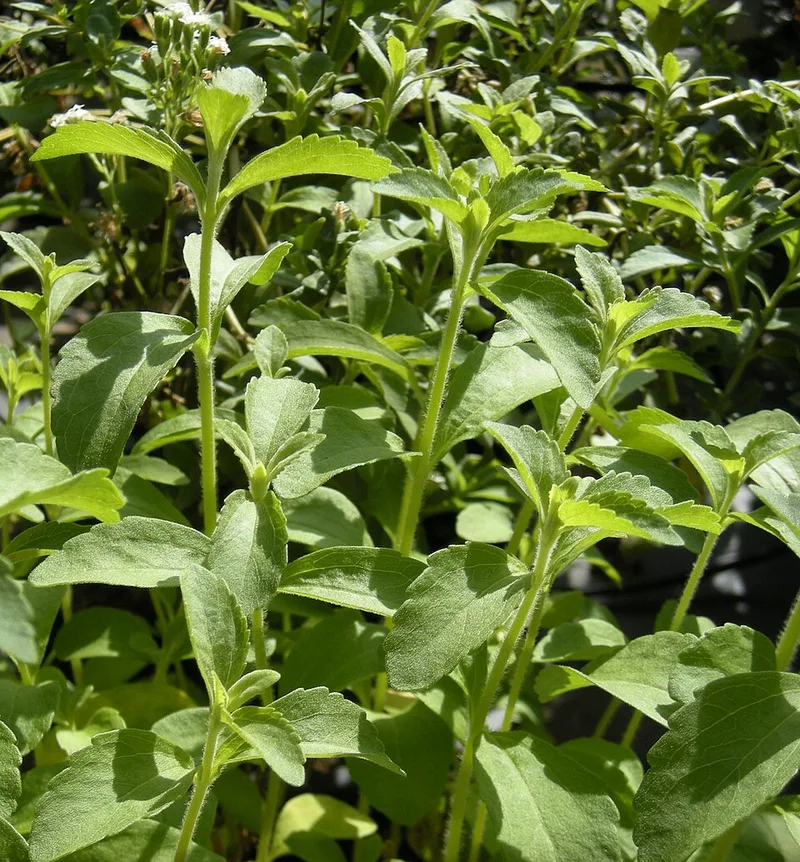
Stevia is often bought as if it were one ingredient. In practice, Stevia Leaf Extract covers a family of glycosides — stevioside, rebaudioside A, rebaudioside D, rebaudioside M and glucosyl stevioside — and the grade you choose decides the taste of the finished product more than the dose does.
The headline numbers are simple. Standard steviol glycoside grades run from 80% to 99% total glycosides, with Reb A from 40% to 99%. Reb A at 95–99% is the workhorse for beverages and tabletop sweeteners: it is about 200–300 times sweeter than sugar, heat stable, and stable in acidic and alkaline systems. Reb D and Reb M, both offered at 95% in the Fame Rise range, have a cleaner taste with less of the bitter, liquorice-like aftertaste that lower grades can carry. Glucosyl stevioside grades (100–150× sugar) are a different tool again: the added glucose units reduce bitterness and improve water solubility.
That is why a sensory comparison matters more than a specification sheet. Two grades with the same total glycoside content can taste very different in a cola, a yoghurt or a baked biscuit. Ask for samples of two or three grades and test them in your own base, at your own pH and with your own flavour system, before you lock a specification.
Stevia also rarely works alone. It replaces sweetness, not bulk. In baking, pair it with Erythritol or D-Allulose to restore the body that sugar would have given; in drinks, a small amount of Monk Fruit Extract can round the sweetness profile; and Inulin can add soluble fibre and mouthfeel in low-fat and high-fibre products. Blends are covered in detail in our monk fruit and erythritol blends guide.
On the regulatory side, keep the market rules in view from the start. High-purity steviol glycosides are permitted as a sweetener in the EU (E 960), the US (GRAS for high-purity grades) and China, with use levels set by local rules for each food category. The JECFA specification requires not less than 95% total steviol glycosides on the dried basis. Check the rules for your target market and product category before launch — and ask for the batch COA, which states the assay method and the result for the grade you are buying.
Reb A vs Reb D vs Reb M vs glucosyl stevioside: a grade comparison
The first thing to check on any stevia quotation is which glycoside you are actually buying. Stevia Leaf Extract is sold as a family of grades, and the table below compares them on the figures stated in the Fame Rise catalogue. Two points in the table deserve attention. First, a percentage on a stevia specification usually means total steviol glycosides, not the content of one glycoside: a grade listed as 95% may be 95% total glycosides with a Reb A content anywhere from 40% to 99%, so ask for the individual glycoside profile on the COA. Second, sweetness multiples are measured at threshold concentration and shift with dose and with the food or drink they are tested in, so treat them as a starting point for a trial, not as a fixed conversion factor.
| Grade | Assay (catalogue) | Sweetness vs sugar | Taste and solubility | Typical use |
|---|
| Standard steviol glycosides (stevioside-rich) | 80–99% total glycosides | 200–400× | Strongest bitter, liquorice-like aftertaste at lower purity | Cost-sensitive tabletop and blends where flavour masks the aftertaste |
| Rebaudioside A (Reb A) | Reb A 40–99%; 95–99% preferred | 200–300× | Clean at high purity; some bitterness at lower grades | Beverages, dairy, tabletop sweeteners, confectionery |
| Rebaudioside D (Reb D) | 95% | To be confirmed — ask sales for the specification sheet | Cleaner taste than Reb A, with less bitter aftertaste | Premium beverages and dairy where aftertaste matters |
| Rebaudioside M (Reb M) | 95% | To be confirmed — ask sales for the specification sheet | Cleaner taste, with less bitter aftertaste than Reb A | Premium beverages, dairy and tabletop products |
| Glucosyl stevioside (EMS-01/02/03) | Glucosyl grades | 100–150× | Reduced bitterness; improved water solubility | Beverages and systems where solubility or aftertaste is the constraint |
The JECFA specification for steviol glycosides requires not less than 95% total steviol glycosides on the dried basis, with loss on drying not more than 6% and total ash not more than 1%. That is a useful cross-check: if a supplier quotes a 95% grade, the batch COA should show an assay at or above that figure by HPLC, together with the loss-on-drying and ash results. If the COA shows a lower total, or no method next to the number, ask why before ordering.
Stability and solubility: where stevia holds up in processing
Steviol glycosides dissolve freely in water, and according to JECFA they are sufficiently thermally and hydrolytically stable for foods, including acidic beverages, under normal processing and storage conditions. In practice that means a stevia grade can be used in carbonated drinks, juices, yoghurt and baked goods without the sweetness breaking down at the temperatures food processing normally uses, and it stays stable in acidic and alkaline food systems. Unlike sugar, stevia does not brown or caramelise on heating, so a baked product sweetened with stevia alone stays pale — a point to remember when colour matters.
Dissolve the powder fully before adding acid or heat-sensitive ingredients, and confirm the grade in your own process, because pH, temperature and the other ingredients in the base all affect the finished taste. Glucosyl stevioside grades are worth trialling where a standard grade is slow to dissolve or leaves an aftertaste: the added glucose units improve water solubility as well as reducing bitterness. For storage, keep the powder sealed in a cool, dry place, protected from light and moisture, and keep the bag closed between uses to prevent caking. Shelf life is confirmed on the batch COA — ask sales at info@famerise.com for the shelf life of the grade you order.
One limit applies to every grade. Stevia replaces sweetness, not bulk. A cake recipe that calls for 200 g of sugar still needs 200 g of material in the bowl, and stevia contributes almost none of it. In baking, pair it with Erythritol to restore body, or with D-Allulose where browning and a sugar-like mouthfeel are wanted. In drinks, a small amount of Monk Fruit Extract can round the sweetness profile, and NHDC (Neohesperidin Dihydrochalcone) can be used at very low doses as a flavour modifier to mask bitter notes. Blends are covered in detail in our monk fruit and erythritol blends guide.
A practical grade trial: comparing Reb A, Reb D and Reb M in your own base
A specification sheet cannot tell you how a grade will taste in your product. Two grades with the same total glycoside content can taste very different in a cola, a yoghurt or a baked biscuit, so run a small, structured trial before locking a specification. The steps below are the minimum that gives a usable answer.
- Request samples of two or three grades. Ask for Reb A 95–99% as the reference, plus Reb D 95% or Reb M 95% if aftertaste is a concern, and a glucosyl grade if solubility is the constraint. Tell sales the target application so the right grades are sent.
- Match sweetness, not weight. Dose each grade by its sweetness multiple so every sample is equally sweet, then adjust in small steps. Overdosing is the most common cause of a bitter result, and it tells you nothing about the grade itself.
- Test in the real base. Use your own recipe at its real pH, with your own flavour system and your own sweetener partners — Erythritol, Monk Fruit Extract or Inulin — because each of them changes the perceived taste.
- Score the same things every time. Sweetness onset, bitterness, liquorice-like aftertaste and mouthfeel, scored by the same panel on the same scale, so grades can be compared fairly.
- Test after processing and storage. Taste the samples again after pasteurisation or baking and after the storage period your product will actually see, not only on the day they are made.
- Check the paperwork last. Ask for the batch COA for the grade you choose, and confirm the assay method, the individual glycoside profile, the loss on drying and the ash. Confirm the permitted use level for your target market and product category before launch: high-purity steviol glycosides are permitted in the EU as E 960, in the US under GRAS for high-purity grades, and in China, with use levels set by local rules. Minimum order quantity, pack size and lead time are to be confirmed — ask sales at info@famerise.com with the grade, quantity and destination.
Frequently asked questions
Which stevia grade is best for a carbonated soft drink?
Start with Reb A 95–99%, the workhorse grade for beverages at about 200–300× sugar. If the aftertaste is a problem in your base, trial Reb D 95% or Reb M 95% alongside it, and a glucosyl grade if solubility is the constraint. Test each grade in the actual drink, at its real pH and with your flavour system.
Why does my stevia taste bitter?
Lower-purity, stevioside-rich grades carry the strongest bitter, liquorice-like aftertaste, and overdosing makes it worse. Move to a higher-purity Reb A grade or to Reb D or Reb M, dose by sweetness multiple rather than by weight, or blend with monk fruit extract or erythritol to round the profile.
Can stevia be used in baking?
Yes — steviol glycosides are stable at the temperatures food processing normally uses, and they do not brown or caramelise. But stevia adds no bulk and no browning, so pair it with erythritol for body or allulose for browning, and trial the combination in your own recipe before scaling up.
What should the COA show for stevia?
The batch COA should state the total steviol glycosides, the individual glycoside profile (Reb A, Reb D, Reb M), the HPLC assay method, loss on drying and ash. The JECFA specification requires not less than 95% total steviol glycosides on the dried basis, loss on drying not more than 6%, and total ash not more than 1%.
Is stevia allowed in the EU and the US?
High-purity steviol glycosides are permitted in the EU as sweetener E 960, in the US under GRAS for high-purity grades, and in China. Permitted use levels are set by local rules for each food category, so confirm the rules for your target market and category before launch.
Sources:
Products mentioned in this article
← All articles · Browse products