
Home / Products / Natural Sweeteners / Inulin
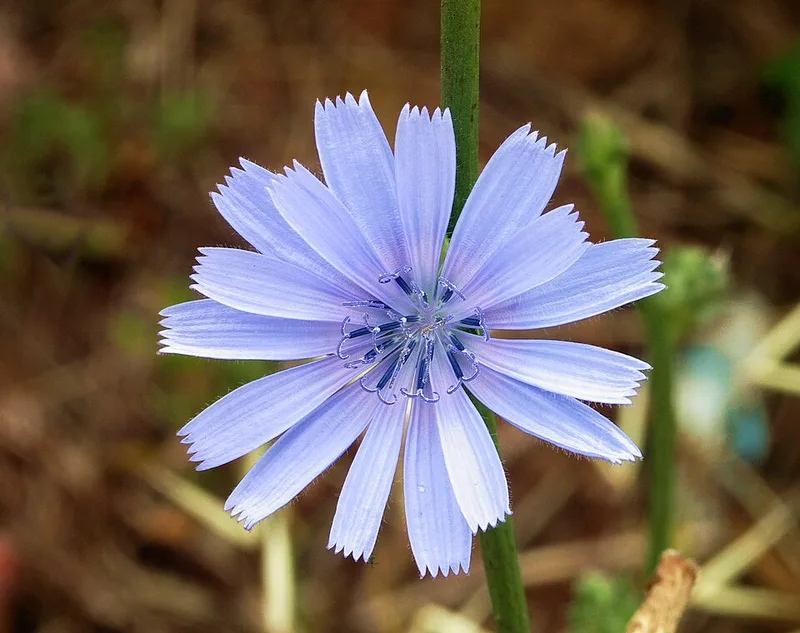
Photo: Wikimedia Commons by Alvesgaspar (CC BY 2.5)
Inulin
A soluble prebiotic fibre at ~30% of sucrose sweetness, used to add body and fibre in low-fat, high-fibre and beverage formulations.
At a glance: A soluble prebiotic fibre at ~30% of sucrose sweetness, used to add body and fibre in low-fat, high-fibre and beverage formulations.
| Source | Chicory root / Jerusalem artichoke |
|---|---|
| Part used | Chicory root / Jerusalem artichoke |
| Form | Powder |
| Specification | Min. 90% · Natural soluble fructan fibre |
| Test method | — |
Specification
| Product | Inulin |
|---|---|
| Botanical / source name | Chicory root / Jerusalem artichoke |
| CAS number | 9005-80-5 |
| Specification | Min. 90% · Natural soluble fructan fibre |
| Appearance | White fine powder |
| Form | Powder |
| Plant part / source | Chicory root / Jerusalem artichoke |
| Solubility | Soluble in water |
| Test method | — |
Grades & forms
Minimum 90% inulin; natural soluble fructan fibre; sweetness about 30% of sucrose.
Minimum 90% inulin as a white fine powder; chain length (degree of polymerisation) affects solubility and sweetness, so confirm the grade on the specification sheet for beverage, bakery or fat-replacement use.
How to use — formulation notes
Inulin is a soluble fructan fibre from chicory root or Jerusalem artichoke, listed at a minimum of 90% inulin, with mild sweetness of about 30% of sucrose in its shorter-chain forms. It dissolves more readily in warm water, so hydrate it before adding it to dry mixes or cold drinks. Use it to add body and fibre in prebiotic foods, bakery products, low-fat creams and milk and juice drinks, and as a fat-mimicking gel when hydrated in water. It pairs well with high-intensity sweeteners in sugar-reduced formulations. Confirm the use level for your target market/category. Store sealed, cool and dry.
It is often compared with Stevia Leaf Extract and Monk Fruit Extract in the same Natural Sweeteners range — see the related products below — and the How to formulate with stevia: choosing Reb A, Reb M and glucosyl grades guide in our News & Blog covers how buyers compare grades like this one.
Applications
- ✓Prebiotic foods
- ✓bakery
- ✓low-fat creams
- ✓high-fibre diets
- ✓milk & juice drinks
Typical uses are listed from the company catalogue. Confirm the grade, the permitted use level and the local rules for your target market before launch.
In the finished product
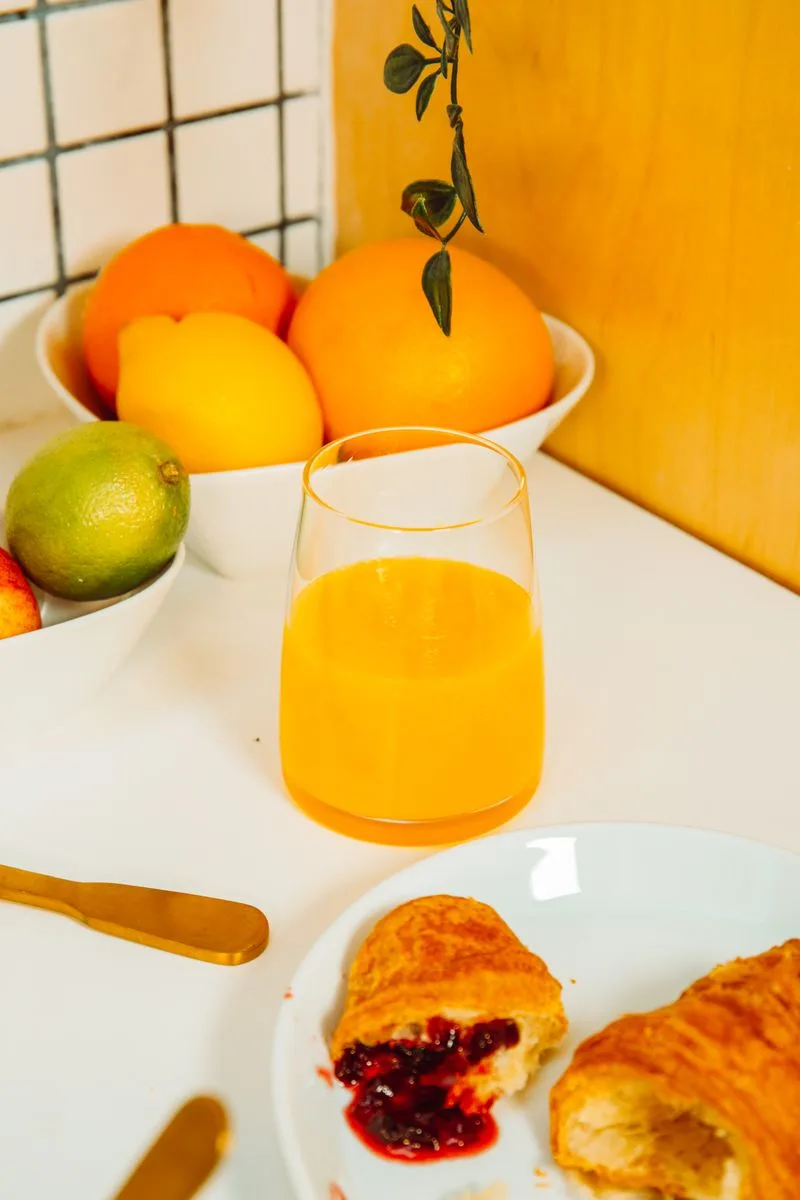
Glass of fresh orange juice with oranges, lime and a croissant on a breakfast table — a typical application for this ingredient.
- Certifications (ISO, Halal, Kosher, Organic, cGMP) — scope to be confirmed; not claimed on this site
- MOQ, packaging, lead time and price — To be confirmed; ask sales
- Loss on drying, heavy metals, pesticide residues and microbiological limits — confirm on the batch COA
Frequently asked questions
What does inulin do in a formulation?
It is a soluble prebiotic fibre that adds body and a feeling of fullness, and is used in prebiotic foods, bakery products, low-fat foods, high-fibre diets and milk and juice beverages.
Is inulin a sweetener or a fibre?
Both in practice: it is listed here as a sweetener ingredient because it contributes mild sweetness (~30% of sucrose), but its main function in most formulations is as a soluble fibre.
Can I get a COA and a sample?
Yes — batch COAs are available on request. Contact sales at info@famerise.com with the product name, the grade you need and your target application.
What is the minimum order quantity, packaging and lead time for inulin?
To be confirmed — ask sales at info@famerise.com. Tell sales the quantity you need and your destination so they can confirm the MOQ, pack size and lead time; no MOQ, packaging or lead time is stated on this page.
Standard inulin or a longer-chain grade — which do I need?
Shorter-chain inulin dissolves more readily and contributes more sweetness, while longer-chain grades form gels that mimic fat and add creaminess. Tell sales your application and the texture you need, and confirm which grade is available for your order.
How should inulin be stored, and what is its shelf life?
Store the powder sealed in a cool, dry place, protected from light and moisture, and keep the bag closed between uses to prevent clumping. Shelf life is confirmed on the batch COA — ask sales at info@famerise.com for the shelf life of the grade you order.
Specification basis: PlantExtract.pdf — Inulin. Figures are typical catalogue values; the batch COA is the binding document for the lot you receive.
Formulation notes — sources:
- Back to the Roots: chicory (Cichorium intybus) taproots, inulin as prebiotic fibre and food ingredient, FDA GRAS status — https://pmc.ncbi.nlm.nih.gov/articles/PMC7360457/
- Franck (2002), British Journal of Nutrition: inulin and oligofructose properties, solubility, fat-like gel and use with high-intensity sweeteners — https://www.scribd.com/document/383642828/A-Franck-2002
Related products
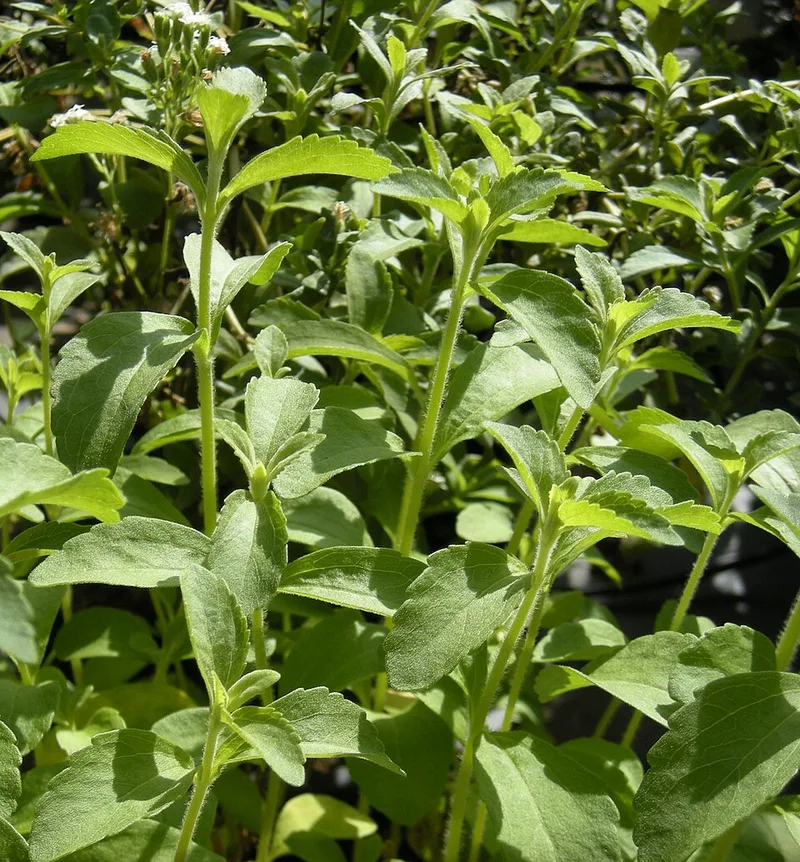
Stevia Leaf Extract
Stevia rebaudiana (Bertoni) HemslSteviol glycosides 80–99% · Reb A 40–99% · Reb D/M 95% · HPLCView product →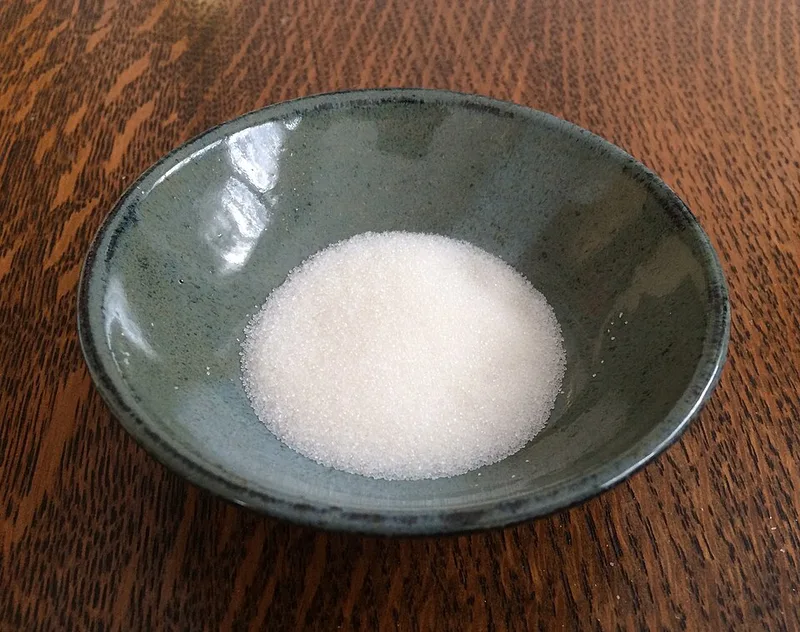
Monk Fruit Extract
Siraitia grosvenoriiMogroside V 20–95% · Juice concentrate 65 BrixView product →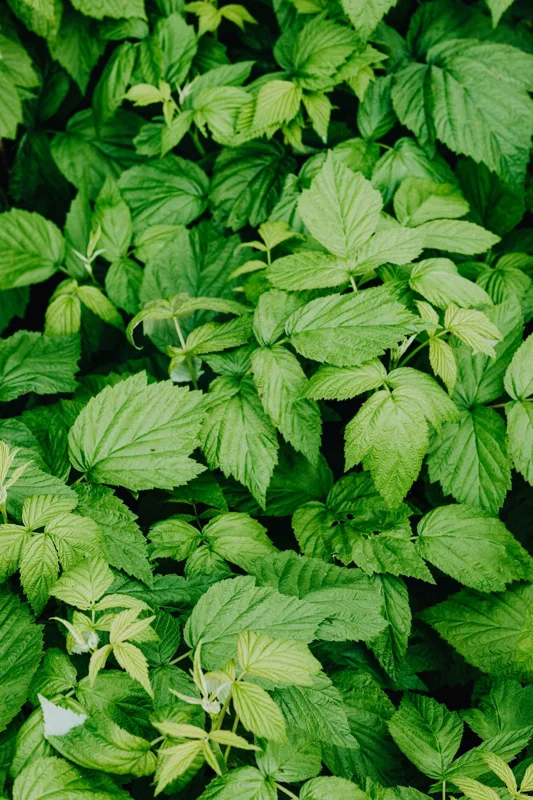
Sweet Tea Extract (Rubusoside)
Rubus suavissimus S. LeeRubusoside 70–98% · Polyphenols 20% · HPLCView product →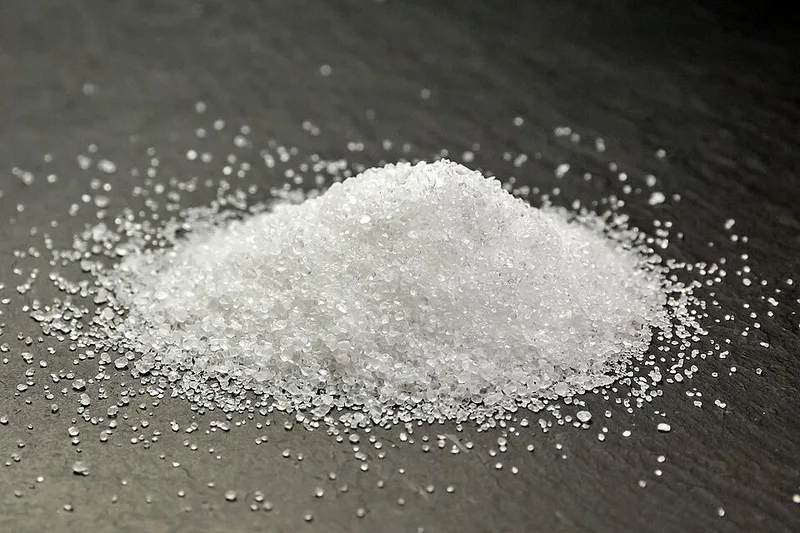
Erythritol
— (fermentation-derived polyol)Powder & granule · 60–70% sweetness of sucroseView product →Further reading
See How to formulate with stevia: choosing Reb A, Reb M and glucosyl grades in our News & Blog — it links to this product and to the grades most often compared with it.