Home / Products / Antioxidants & Eye Health / Quercetin & Rutin
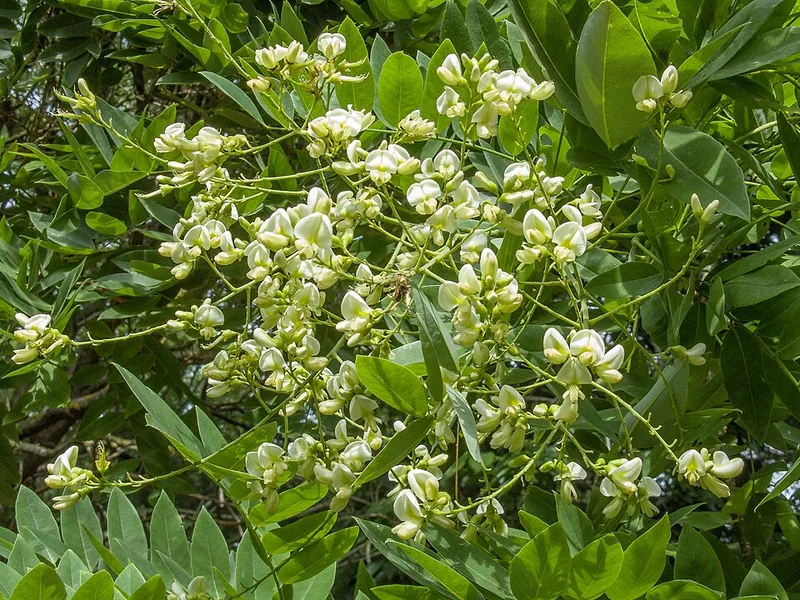
Photo: Wikimedia Commons by Peter Coxhead (CC BY-SA 4.0)
Quercetin & Rutin
Flower-bud flavonoids: quercetin dihydrate 95% by HPLC and rutin 95% by UV, for supplements and functional formulations.
At a glance: Flower-bud flavonoids: quercetin dihydrate 95% by HPLC and rutin 95% by UV, for supplements and functional formulations.
| Source | Sophora japonica L. |
|---|---|
| Part used | Flower bud |
| Form | Powder |
| Specification | Quercetin 95% HPLC · Rutin 95% UV-VIS |
| Test method | HPLC / UV-VIS |
Specification
| Product | Quercetin & Rutin |
|---|---|
| Botanical / source name | Sophora japonica L. |
| CAS number | 117-39-5 (quercetin) |
| Specification | Quercetin 95% HPLC · Rutin 95% UV-VIS |
| Appearance | Yellow fine powder |
| Form | Powder |
| Plant part / source | Flower bud |
| Solubility | Poorly water soluble |
| Test method | HPLC / UV-VIS |
Grades & forms
Quercetin 95% by HPLC; rutin 95% by UV-VIS. Source: Sophora japonica flower buds.
Quercetin 95% by HPLC (dihydrate) and rutin 95% by UV-VIS, both from Sophora japonica flower buds.
How to use — formulation notes
Quercetin aglycone is poorly water soluble and poorly absorbed, which is why formulators use micronised powder, lipid-based carriers or lecithin (phytosome) formats for better dispersibility; standard 95% powder is normally used in capsules and tablets. Rutin is quercetin-3-O-rutinoside, the glycoside form, and its sugar moiety makes it more water soluble than the aglycone. Both are yellow powders from Sophora japonica flower buds — state the assay method on every quote, because HPLC and UV figures are not interchangeable. Store cool, dry and sealed, protected from light.
It is often compared with Lutein & Zeaxanthin and Resveratrol in the same Antioxidants & Eye Health range — see the related products below — and the Reading a botanical extract COA: what buyers should check before ordering guide in our News & Blog covers how buyers compare grades like this one.
Applications
- ✓Supplements
- ✓healthcare products
Typical uses are listed from the company catalogue. Confirm the grade, the permitted use level and the local rules for your target market before launch.
In the finished product
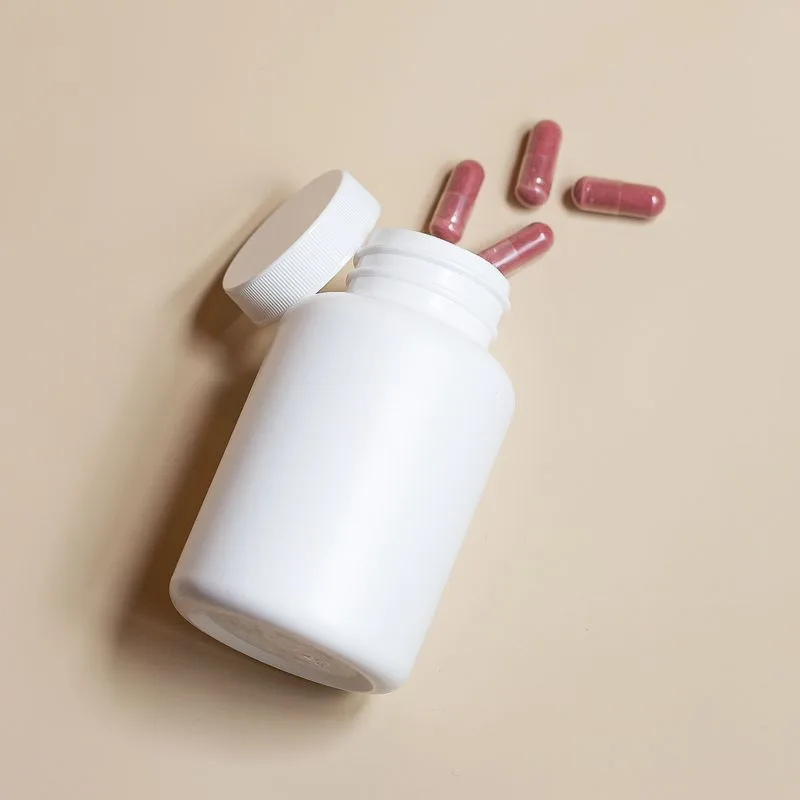
White supplement bottle with pink capsules spilled on a beige surface — a typical application for this ingredient.
- Certifications (ISO, Halal, Kosher, Organic, cGMP) — scope to be confirmed; not claimed on this site
- MOQ, packaging, lead time and price — To be confirmed; ask sales
- Loss on drying, heavy metals, pesticide residues and microbiological limits — confirm on the batch COA
Frequently asked questions
Quercetin or rutin?
Both come from Sophora japonica flower buds. Quercetin is quoted by HPLC (95%) and rutin by UV-VIS (95%). They are separate products — state which one you want.
What is rutin used for?
Rutin is a flavonoid used in supplement and pharmaceutical formulations. Troxerutin, a rutin derivative, is listed separately — see the Troxerutin page.
Can I get a COA and a sample?
Yes — batch COAs are available on request. Contact sales at info@famerise.com with the product name, the grade you need and your target application.
What is the difference between quercetin and rutin?
Rutin is quercetin-3-O-rutinoside, the glycoside form of quercetin, and its sugar group makes it more water soluble than the quercetin aglycone. Both come from Sophora japonica flower buds. They are different materials with different assays, so order them by name and confirm the assay method.
Why does the assay method matter — HPLC or UV?
HPLC and UV measure quercetin differently, so a 95% figure by one method is not the same as 95% by the other. State the method when comparing quotes and check the COA states it too. For rutin, UV-VIS is the standard method quoted here.
Can I get a sample, and what are the MOQ, packaging and lead time?
Samples and batch COAs are available on request — contact sales at info@famerise.com with the product, grade and target application. MOQ, packaging and lead time are to be confirmed; ask sales for a quote for your order quantity.
Specification basis: PlantExtract.pdf — Sophora Japonica Extract. Figures are typical catalogue values; the batch COA is the binding document for the lot you receive.
Formulation notes — sources:
- PMC — Improved oral absorption of quercetin from Quercetin Phytosome, a lecithin-based delivery system (poor solubility and low oral absorption of unformulated quercetin) — https://pmc.ncbi.nlm.nih.gov/articles/PMC6418071/
- Naturopathic Doctor News & Review — Enhancing bioavailability of quercetin (aglycone vs glycosides, rutin from Sophora japonica) — https://ndnr.com/autoimmuneallergy-medicine/enhancing-bioavailability-of-quercetin/
Related products
Lutein & Zeaxanthin
Tagetes erecta L. (marigold)Lutein 5–90% powder · CWS 5/10% · Beadlets · Oil 10–30% · Zeaxanthin 5–70%View product →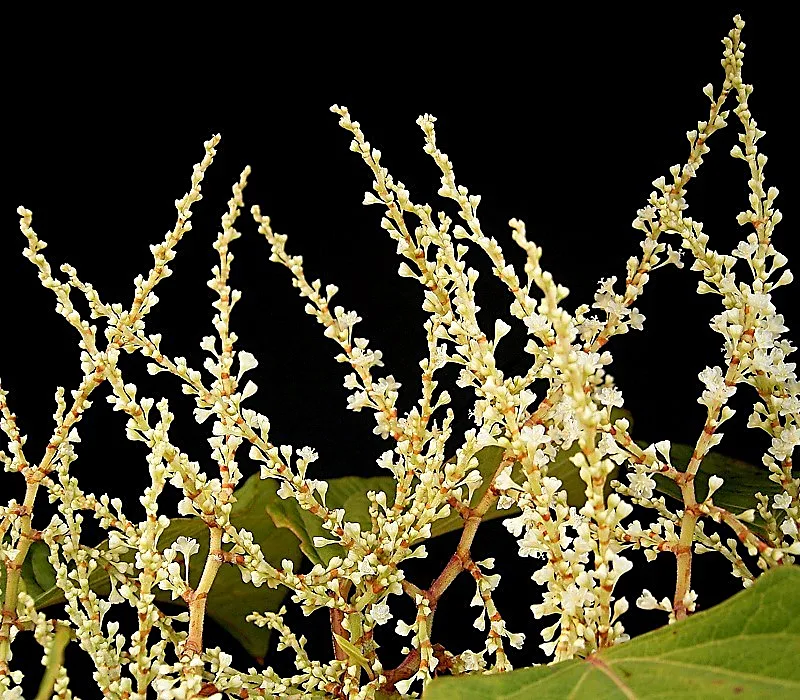
Resveratrol
Polygonum cuspidatumResveratrol 10–99% · HPLCView product →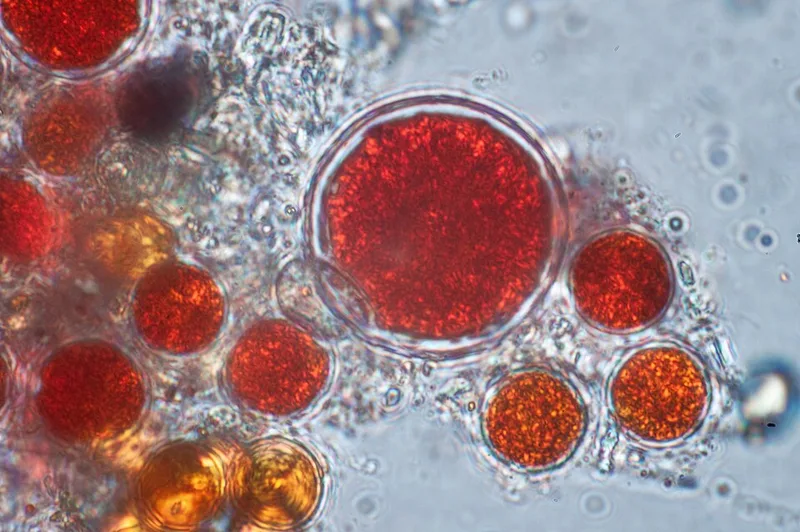
Astaxanthin
Haematococcus pluvialisPowder / oil — grade on enquiryView product →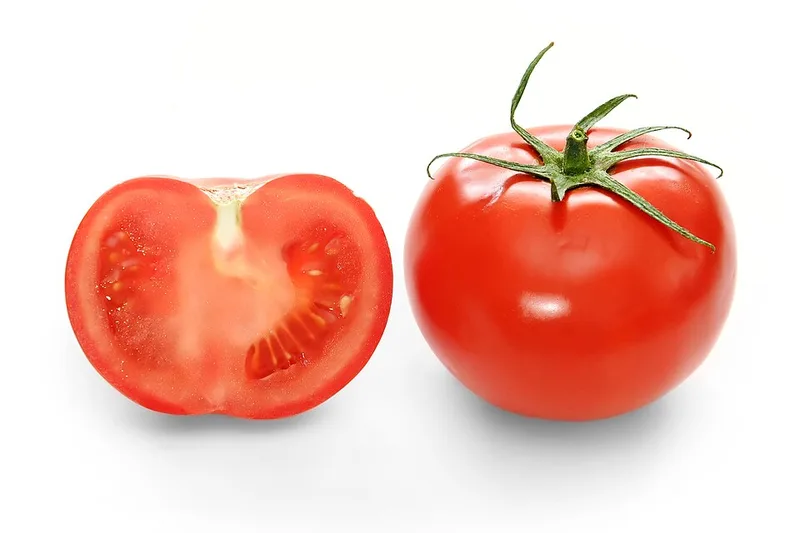
Lycopene
Solanum lycopersicum (tomato)Powder / oil — grade on enquiryView product →Further reading
See Reading a botanical extract COA: what buyers should check before ordering in our News & Blog — it links to this product and to the grades most often compared with it.