
Home / Products / Antioxidants & Eye Health / Ascorbyl Palmitate
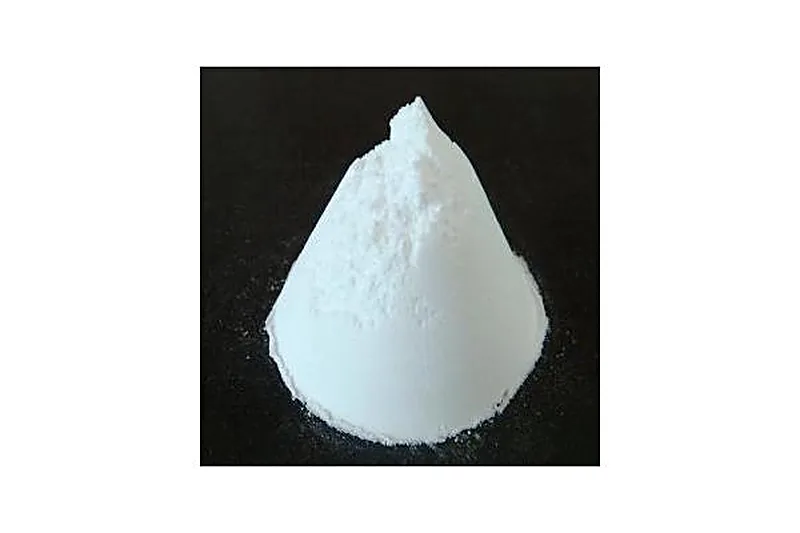
Photo: Fame Rise Biotech Inc.
Ascorbyl Palmitate
Fat-soluble vitamin C ester (E304) used as an antioxidant in oils, fats, foods, supplements and cosmetics.
At a glance: Fat-soluble vitamin C ester (E304) used as an antioxidant in oils, fats, foods, supplements and cosmetics.
| Source | L-Ascorbic acid 6-palmitate (ester of ascorbic acid and palmitic acid) |
|---|---|
| Part used | — |
| Form | Powder |
| Specification | Assay ≥95% (FCC) · E304 |
| Test method | HPLC |
Specification
| Product | Ascorbyl Palmitate |
|---|---|
| Botanical / source name | L-Ascorbic acid 6-palmitate (ester of ascorbic acid and palmitic acid) |
| CAS number | 137-66-6 |
| Specification | Assay ≥95% (FCC) · E304 |
| Appearance | White to yellowish powder |
| Form | Powder |
| Plant part / source | — |
| Solubility | Very slightly soluble in water; freely soluble in ethanol; soluble in fats and oils |
| Test method | HPLC |
Grades & forms
FCC grade, assay ≥95%; commonly offered at ≥98% purity. Melting range 107–117 °C; loss on drying ≤2% (FCC). Molecular formula C22H38O7, MW 414.54. Confirm the grade on the specification sheet.
FCC grade, assay ≥95%, commonly offered at ≥98% purity; melting range 107–117 °C.
How to use — formulation notes
Ascorbyl palmitate is the fat-soluble ester of ascorbic acid and palmitic acid (E304(i)), used as an antioxidant in oils, fats, foods, supplements and cosmetics where water-soluble ascorbic acid cannot protect the lipid phase. It is very slightly soluble in water and freely soluble in ethanol, and is commonly combined with tocopherols and rosemary extract in fat-based systems. In the US it is affirmed GRAS as a chemical preservative/antioxidant, with total antioxidant content capped at 0.02% of the food's fat or oil content. The FCC grade has an assay of at least 95%; store cool, dry and sealed, protected from light and air.
It is often compared with Lutein & Zeaxanthin and Resveratrol in the same Antioxidants & Eye Health range — see the related products below — and the Reading a botanical extract COA: what buyers should check before ordering guide in our News & Blog covers how buyers compare grades like this one.
Applications
- ✓Foods & beverages
- ✓oils and fats
- ✓supplements
- ✓cosmetics
Typical uses are listed from the company catalogue. Confirm the grade, the permitted use level and the local rules for your target market before launch.
In the finished product
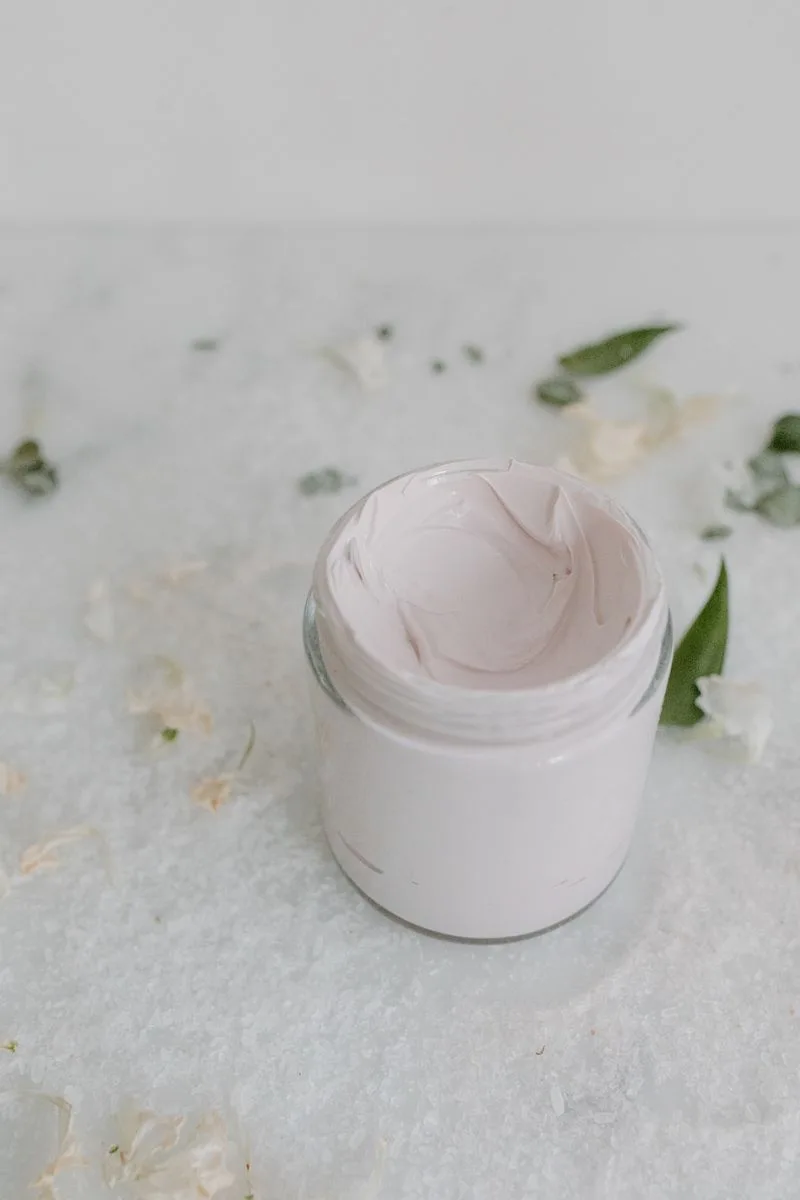
Open glass jar of pale pink skincare cream on marble with green leaves — a typical application for this ingredient.
- Certifications (ISO, Halal, Kosher, Organic, cGMP) — scope to be confirmed; not claimed on this site
- MOQ, packaging, lead time and price — To be confirmed; ask sales
- Loss on drying, heavy metals, pesticide residues and microbiological limits — confirm on the batch COA
Frequently asked questions
Is ascorbyl palmitate the same as vitamin C?
It is the fat-soluble ester of L-ascorbic acid and palmitic acid. In the body it is hydrolysed to ascorbic acid and palmitic acid; in a formulation it behaves as a fat-soluble antioxidant, which is why it is used where plain vitamin C would not dissolve.
Where is it used?
As an antioxidant food additive (E304) in oils, fats and fat-containing foods, and as a stabiliser in softgels, supplements and cosmetics. It is GRAS in the US and approved as E304 in the EU — confirm the permitted use level for your product category and market.
How should it be stored?
Store in a cool, dry place in sealed packaging, protected from light, heat and moisture — ascorbyl palmitate is sensitive to all three. Confirm the shelf life on the batch COA.
Can I get a COA and a sample?
Yes — batch COAs are available on request. Contact sales at info@famerise.com with the product name, the grade you need and your target application.
Ascorbyl palmitate or ascorbic acid — which one protects oils?
Use ascorbyl palmitate for oils and fats: it is the fat-soluble ester of vitamin C, so it works inside the lipid phase where plain ascorbic acid cannot dissolve. For water-based systems, ascorbic acid is the right choice. The two are often combined with tocopherols.
Is there a use-level limit for ascorbyl palmitate in foods?
Yes — in the US it is affirmed GRAS as a chemical preservative/antioxidant, with total antioxidant content capped at 0.02% of the food's fat or oil content. In the EU it is authorised as E304(i). Check the limits for your target market and product category.
Can I get a sample, and what are the MOQ, packaging and lead time?
Samples and batch COAs are available on request — contact sales at info@famerise.com with the grade and target application. MOQ, packaging and lead time are to be confirmed; ask sales for a quote for your order quantity.
Specification basis: Public catalogue cross-check 2026-11-24 — ascorbyl palmitate CAS 137-66-6, C22H38O7, E304, FCC assay ≥95%; Original product range. Figures are typical catalogue values; the batch COA is the binding document for the lot you receive.
Formulation notes — sources:
- Ascorbyl palmitate — fat-soluble vitamin C ester, E304, C22H38O7, very slightly soluble in water, freely soluble in ethanol — https://en.wikipedia.org/wiki/Ascorbyl_palmitate
- E304(i) ascorbyl palmitate — FDA GRAS under 21 CFR 182.3149, antioxidants capped at 0.02% of fat/oil content; EU authorised as E304(i) — https://www.foodindex.co/additive/e304i
Related products

Lutein & Zeaxanthin
Tagetes erecta L. (marigold)Lutein 5–90% powder · CWS 5/10% · Beadlets · Oil 10–30% · Zeaxanthin 5–70%View product →
Resveratrol
Polygonum cuspidatumResveratrol 10–99% · HPLCView product →
Quercetin & Rutin
Sophora japonica L.Quercetin 95% HPLC · Rutin 95% UV-VISView product →
Astaxanthin
Haematococcus pluvialisPowder / oil — grade on enquiryView product →Further reading
See Reading a botanical extract COA: what buyers should check before ordering in our News & Blog — it links to this product and to the grades most often compared with it.