
Home / Products / Antioxidants & Eye Health / Cranberry Extract
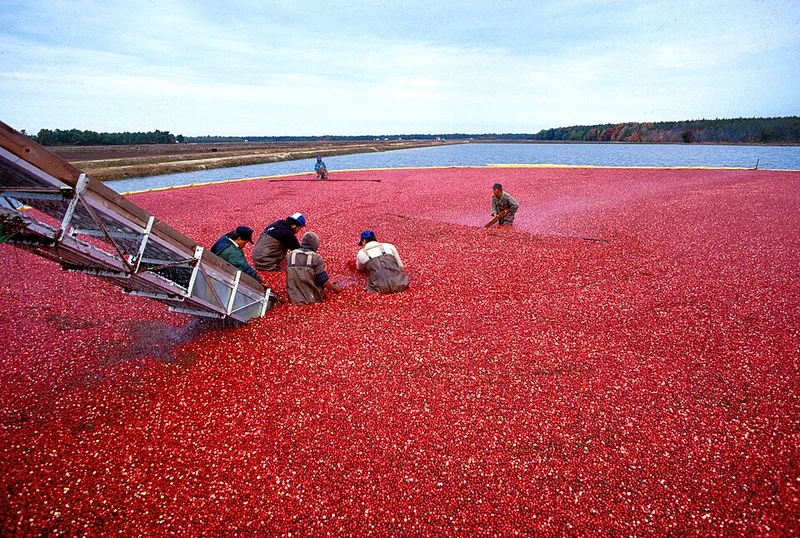
Photo: Wikimedia Commons by Keith Weller, USDA-ARS (Public domain)
Cranberry Extract
Fruit extract standardised on proanthocyanidins, stable in acidic and neutral systems, for women's-health and beverage formulations.
At a glance: Fruit extract standardised on proanthocyanidins, stable in acidic and neutral systems, for women's-health and beverage formulations.
| Source | Vaccinium macrocarpon L. |
|---|---|
| Part used | — |
| Form | Powder |
| Specification | Proanthocyanidins 5–50% |
| Test method | UV |
Specification
| Product | Cranberry Extract |
|---|---|
| Botanical / source name | Vaccinium macrocarpon L. |
| CAS number | To be confirmed |
| Specification | Proanthocyanidins 5–50% |
| Appearance | Fine powder — exact colour by grade; confirm on the COA |
| Form | Powder |
| Plant part / source | — |
| Solubility | Confirm solubility for the grade ordered — it varies by format |
| Test method | UV |
Grades & forms
Proanthocyanidins 5–50%
Proanthocyanidins 5–50% by UV; confirm whether the assay is UV or BL-DMAC, as the two methods give different values on the same material.
How to use — formulation notes
Cranberry extract is standardised on proanthocyanidins (PACs), and authentic Vaccinium macrocarpon material is characterised by A-type PACs, which differ from the B-type PACs found in grape seed and other sources. State the assay method when comparing quotes: UV methods report total PACs, while the BL-DMAC method typically returns lower values on the same material because it reacts differently with larger polymers. Water-soluble grades are available for capsules, tablets, gummies and instant drinks, and the extract is stable in acidic and neutral systems. Store cool, dry and sealed, protected from light and moisture.
It is often compared with Lutein & Zeaxanthin and Resveratrol in the same Antioxidants & Eye Health range — see the related products below — and the Reading a botanical extract COA: what buyers should check before ordering guide in our News & Blog covers how buyers compare grades like this one.
Applications
- ✓Functional foods
- ✓water-soluble beverages
- ✓supplements
- ✓feed
Typical uses are listed from the company catalogue. Confirm the grade, the permitted use level and the local rules for your target market before launch.
In the finished product
Glass of purple watermelon smoothie beside a tub of watermelon cubes — a typical application for this ingredient.
- Certifications (ISO, Halal, Kosher, Organic, cGMP) — scope to be confirmed; not claimed on this site
- MOQ, packaging, lead time and price — To be confirmed; ask sales
- Loss on drying, heavy metals, pesticide residues and microbiological limits — confirm on the batch COA
Frequently asked questions
What grades are available?
See the specification table on this page. The headline grade is Proanthocyanidins 5–50%. Other grades are available on enquiry — ask for the specification sheet for the grade you need.
How is the active content tested?
By UV where stated. The COA for each batch states the method and the result.
How should it be stored?
Store in a cool, dry place in sealed packaging, protected from light and moisture. Confirm the shelf life on the batch COA.
Can I get a COA and a sample?
Yes — batch COAs are available on request. Contact sales at info@famerise.com with the product name, the grade you need and your target application.
UV or BL-DMAC — which PAC assay should I ask for?
UV is the most common contractual specification for total PACs, while BL-DMAC typically returns lower numbers on the same material because it reacts differently with larger polymers. State the method on every quote and COA, and do not compare a UV figure with a DMAC figure.
What are A-type PACs, and why do they matter?
A-type proanthocyanidins carry a second ether linkage and are characteristic of authentic Vaccinium macrocarpon cranberry, unlike the B-type PACs in grape seed, apple and green tea. Ask for the PAC type and a fingerprint check if authenticity matters for your product.
Can I get a sample, and what are the MOQ, packaging and lead time?
Samples and batch COAs are available on request — contact sales at info@famerise.com with the PAC grade, assay method and target application. MOQ, packaging and lead time are to be confirmed; ask sales for a quote for your order quantity.
Specification basis: PlantExtract.pdf (Fame Rise Corp sample). Figures are typical catalogue values; the batch COA is the binding document for the lot you receive.
Formulation notes — sources:
- Standardised cranberry extract 25% PACs — A-type vs B-type PACs, UV vs BL-DMAC vs HPLC assay comparison — https://www.iesbio.com/cranberry-extract-25/
- Cranberry extract PAC powder — A-type PACs, UV/DMAC/EP methods, 100% water-soluble grades — https://www.kintai-bio.com/male-female-health/female-health/cranberry-extract-pac-powder.html
Related products
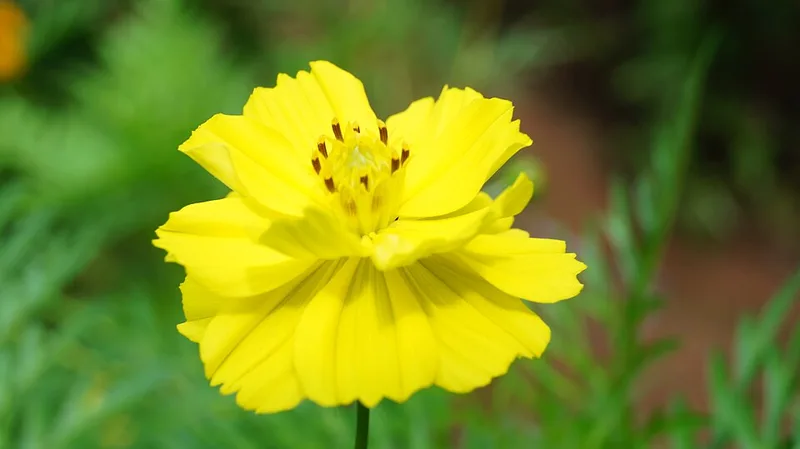
Lutein & Zeaxanthin
Tagetes erecta L. (marigold)Lutein 5–90% powder · CWS 5/10% · Beadlets · Oil 10–30% · Zeaxanthin 5–70%View product →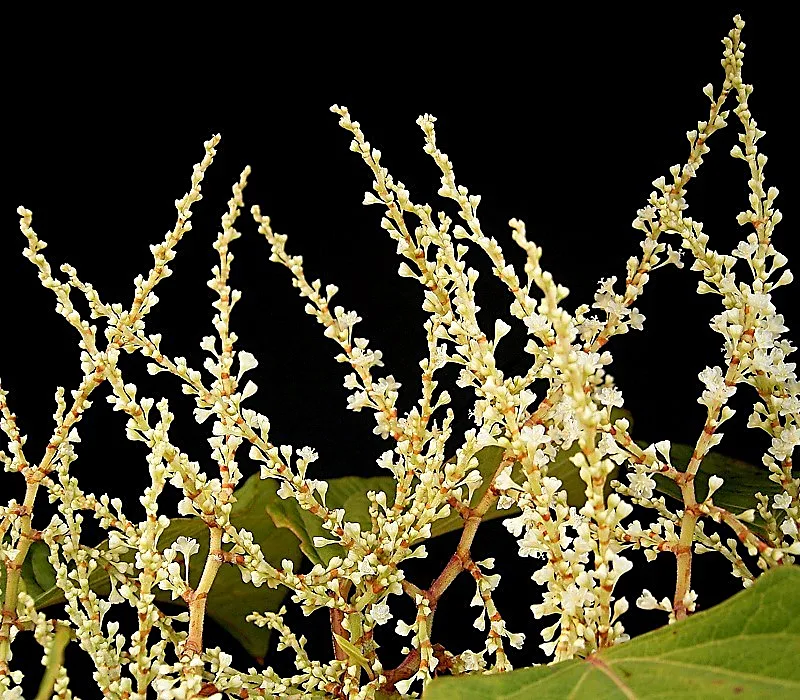
Resveratrol
Polygonum cuspidatumResveratrol 10–99% · HPLCView product →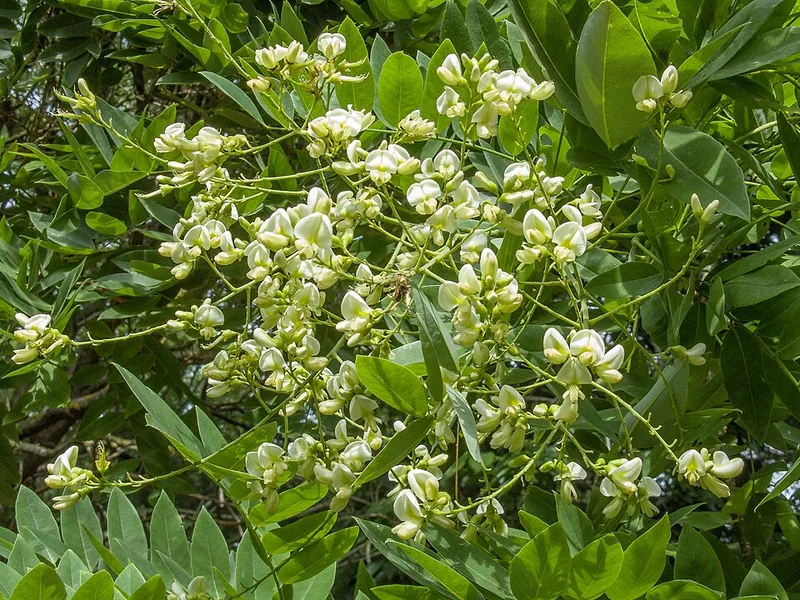
Quercetin & Rutin
Sophora japonica L.Quercetin 95% HPLC · Rutin 95% UV-VISView product →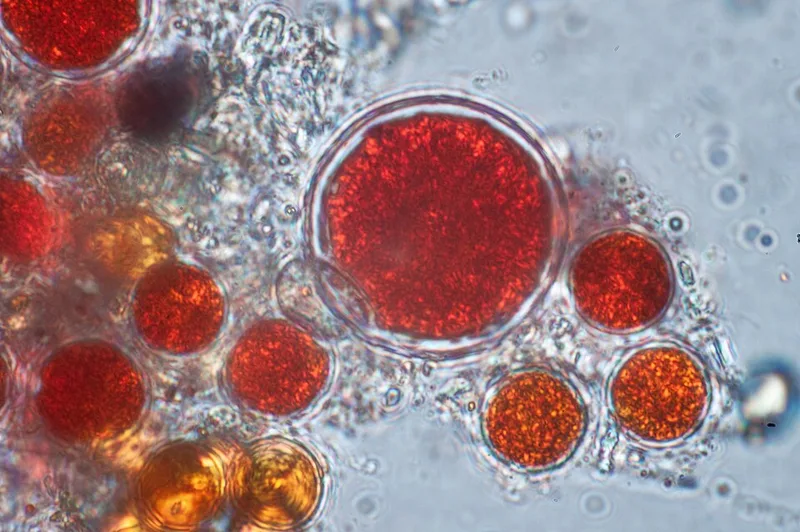
Astaxanthin
Haematococcus pluvialisPowder / oil — grade on enquiryView product →Further reading
See Reading a botanical extract COA: what buyers should check before ordering in our News & Blog — it links to this product and to the grades most often compared with it.